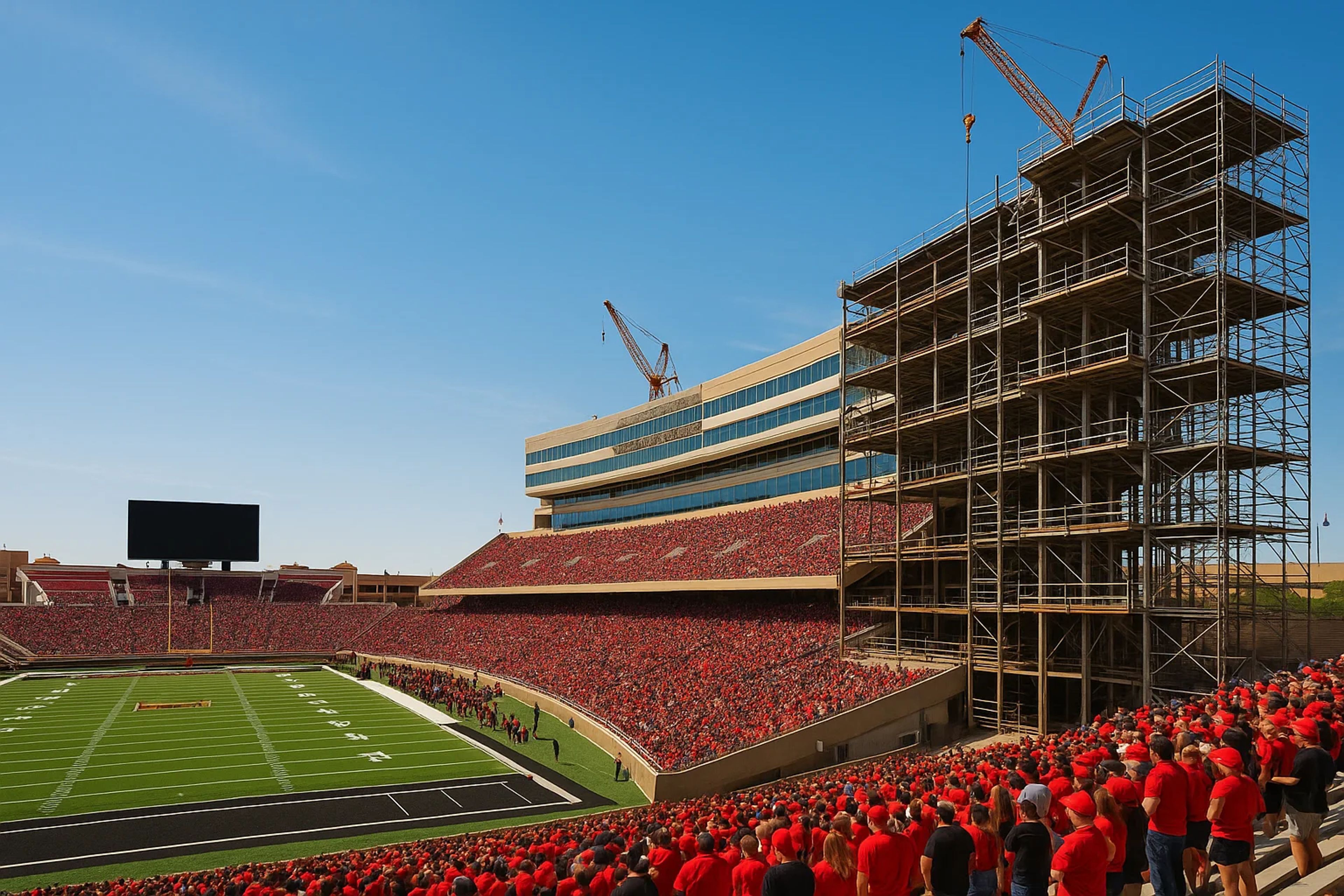
Galaxy Digital signs 15-year Texas Tech stadium naming-rights deal
The venue becomes “Galaxy Stadium” in 2026 as Galaxy also takes an athletics role tied to data centers and digital assets.
Galaxy Digital signed a 15-year naming-rights agreement with Texas Tech to rename the university’s football stadium “Galaxy Stadium” beginning with the 2026 season. The partnership also makes Galaxy the official data center and digital assets partner of Texas Tech Athletics, with financial terms undisclosed.
Key Takeaways
- Texas Tech’s football stadium will be renamed “Galaxy Stadium” under a 15-year naming-rights agreement starting with the 2026 season.
- The deal also installs Galaxy Digital as Texas Tech Athletics’ official data center and digital assets partner, with planned NIL, AI, and workforce programs.
- The first game under the new stadium name is scheduled for Sept. 5, 2026, when Texas Tech opens against Abilene Christian.
- No pricing, payment schedule, or other financial terms for the agreement were provided.
Galaxy Stadium: 15-Year Naming Rights Deal Starts in the 2026 Season
Galaxy Digital reached a 15-year naming-rights agreement with Texas Tech to rebrand the university’s football stadium as “Galaxy Stadium” beginning with the 2026 season.
The first on-field branding milestone is already set. Texas Tech’s season opener against Abilene Christian on Sept. 5, 2026 is scheduled to be the first game played under the new name.
For traders, the headline is less about a near-term revenue line item and more about duration and intent. A 15-year term is a long commitment for a firm that wants to be perceived as infrastructure-adjacent, not just market-cycle-adjacent.
From Sponsorship to Infrastructure: “Data Center and Digital Assets Partner” Scope
The agreement goes beyond venue signage. Galaxy becomes the official data center and digital assets partner of Texas Tech Athletics, a framing that ties the brand to compute and digital-asset rails rather than a generic sports sponsorship.
The parties also plan collaboration on student-athlete name, image and likeness (NIL) opportunities, artificial intelligence initiatives, and workforce development programs. NIL refers to rules that allow college athletes to earn money from endorsements and other commercial uses of their personal brand.
What is missing is the part traders can model. The announcement did not include budgets, timelines, or deliverables for the NIL, AI, or workforce tracks, leaving the partnership’s economic impact opaque even as the branding footprint becomes very visible.
Helios in West Texas: 1.6 GW Approved Capacity Anchors the Local Push
The most concrete operational datapoint attached to the announcement is Galaxy’s existing West Texas footprint. Galaxy operates the Helios data center campus in Dickens County near Lubbock, described as about 60 miles east of the city.
Helios is described as having 1.6 gigawatts of approved capacity for artificial intelligence and high-performance computing (HPC). HPC is large-scale computing infrastructure used for intensive workloads like AI training, simulations, and data processing.
That context matters because it frames the stadium deal as an extension of a regional infrastructure narrative. The branding move sits alongside a physical asset story in West Texas, which is where Galaxy can credibly argue it is building long-duration capacity rather than renting attention.
Milestones and Unknowns Ahead of the Sept. 5, 2026 Debut
The timeline catalyst is clean: the 2026 season, with Sept. 5, 2026 as the first public “Galaxy Stadium” debut. Everything else is still a placeholder.
The threshold that matters for market impact is disclosure. Any later release of the naming-rights economics, whether total value, annual payments, or performance clauses, would turn a branding headline into something analysts can underwrite.
Traders also need specificity on the partnership’s operating scope. Timelines and measurable deliverables for NIL, AI initiatives, and workforce development would clarify whether this is a marketing wrapper or a pipeline into talent, research, and compute demand.
Finally, Helios updates are the real operational tell. Progress on buildout and utilization tied to the stated 1.6 GW approved capacity would do more to validate the Texas narrative than stadium signage alone.
Marcus Hale’s Take: Branding Deal Reinforces Galaxy’s Texas Data-Center Narrative, Not Near-Term Numbers
This reads like a positioning trade, not a cash-flow event. A 15-year naming-rights deal paired with an official “data center and digital assets partner” role is Galaxy pushing its West Texas infrastructure story into mainstream visibility, and the Helios 1.6 GW approved capacity is the only hard operational anchor in the package.
The real test is whether the partnership graduates from slogans to deliverables. If financial terms and program milestones stay undisclosed while Helios utilization remains vague, this looks more like a sentiment catalyst than a fundamental shift. If those details arrive and Helios buildout tracks the narrative, the setup starts to look structural rather than narrative-driven, because it would connect brand, talent, and compute capacity into something the market can actually price.


