Crypto
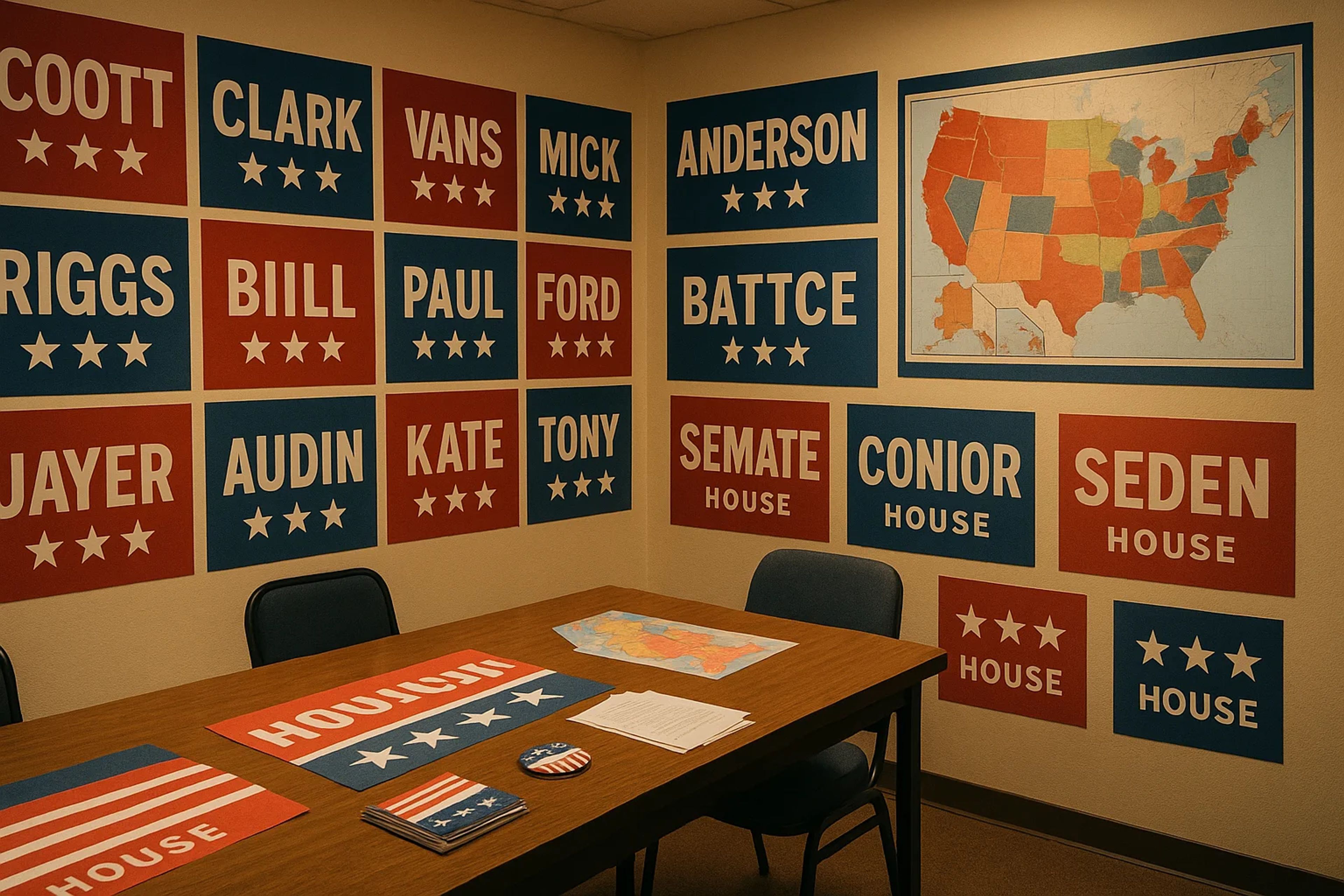
Fairshake endorses 32 House incumbents for 2026 and earmarks $6M for six races
Every endorsed lawmaker previously voted to advance the CLARITY market-structure bill, which later failed a key Senate vote.
Every endorsed lawmaker previously voted to advance the CLARITY market-structure bill, which later failed a key Senate vote.




The firm also widened its strategic bucket to 10%–15% of assets as its stock trades at a 0.80x Bitcoin-NAV discount in Tokyo.

The startup signed large Nvidia server-rental deals with Nebius and SpaceX as it pitches an “AI factory” for data-sensitive institutions.

The last trigger is the 100-day SMA crossing above the 200-day, with the 50-day hold the near-term test.

Base and Solana dominate x402 payment counts, while Cardano fees and Masumi activity lag the scale needed to move ADA demand.

The upgrade targets 25-second blocks and disables v4 transactions, which could strand Sprout-held ZEC if not moved before activation.

The filing names Divij Pandya as sole lobbyist and targets the CLARITY Act and two digital-asset tax proposals.

Open interest rose to $86.5M and spot netflow turned negative as STRK tagged $0.056 and held near $0.055.

A House flip looks likelier than a Senate call, keeping 2027 oversight and near-term crypto tax bills in focus after Clarity Act failure.

Coinbase outlined a rewards-driven adoption flywheel as WisdomTree opened MoonPay access to its $1.2B tokenized fund WTGXX.

Trump said the SIF will report to him and Chief of Staff Susie Wiles and coordinate federal efforts on “Super Intelligence.”

At Bloomberg’s Screentime summit, he called anti‑AI backlash “propaganda” and said AI is “additive,” not a job killer.

Waivers covered missed performance criteria, but the fund said any added BTC should come only from documented donations.

The opt-in payroll pilot began Oct. 1, but officials disclosed no headcount or payment totals.

A governance proposal would create an IP-holding foundation in Phase 1 without immediate asset transfers.

The market added more than $1B in under 72 hours, but key implementation details remain unconfirmed.

Disclosures put execution and third-party LLM data-use risk on customers and say Robinhood does not supervise or audit agents.








 btc$85,973-0.17%
 eth$2,719.86+0.23%
 usdt$1+0.01%
 bnb$787.88-0.81%
 xrp$1.51-0.33%
 usdc$1+0.00%
 sol$121.09-0.62%
 trx$0.34+0.20%
 doge$0.1-0.98%
 link$13.96-2.25%
 ada$0.27+6.62%
 xlm$0.22-2.66%
 bch$316.56-0.24%
 uni$9.16+1.02%
 ltc$70.44-0.25%
 sui$1.23+1.36%
 avax$11.05-0.42%
 hbar$0.1-1.32%
 dot$1.24+2.58%
 etc$9.02+0.51%
 pol$0.11-0.43%
 algo$0.13-3.07%
 fil$1.2+13.41%
 atom$1.83+4.30%
 vet$0.01-0.12%