Plattsburgh weighs 12-month approval freeze for 300 kW+ crypto mining and AI data centers
A Sept. 17 council meeting is the next checkpoint after a public hearing on the proposed land-use moratorium.
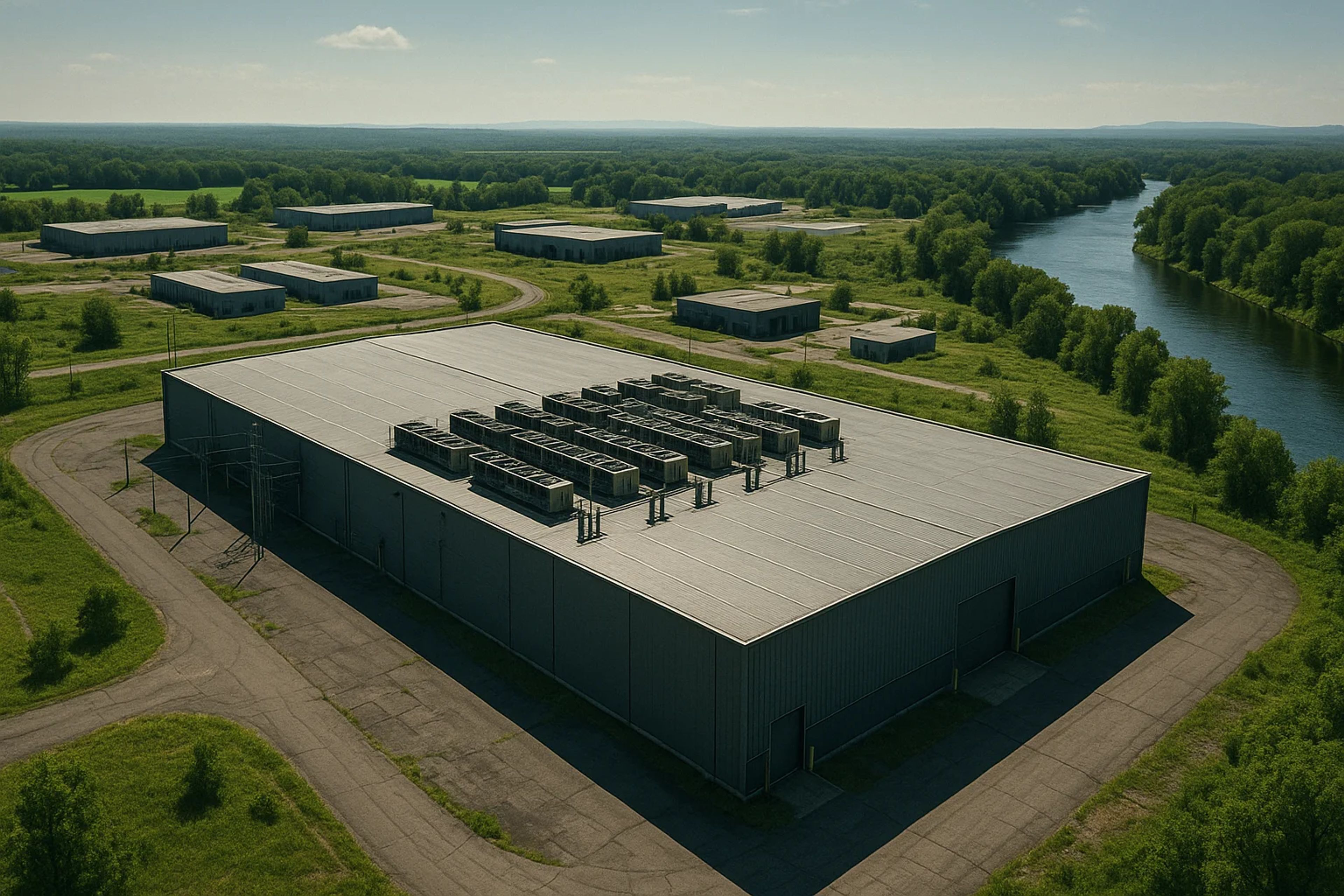
Plattsburgh, New York is considering a temporary land-use moratorium that would pause approvals for “certain high energy computing facilities,” explicitly including crypto mining and AI data centers. The proposal sets a 12-month freeze for projects requiring 300 kilowatts or more, with the next council meeting scheduled for Sept. 17.
Plattsburgh is weighing a 12-month land-use moratorium that would halt approvals tied to “certain high energy computing facilities,” a category the town has framed to cover both cryptocurrency mining and artificial intelligence data center operations. The proposal was aired in a public hearing held Thursday, where Mayor Wendell Hughes and the Plattsburgh common council took public comment on the draft restriction.
Mechanically, this is a land-use pause, not a targeted ban on a single business model. A moratorium is a temporary stop on approvals while a municipality reviews or rewrites rules, and the draft here is built around power draw rather than token activity, with the trigger set at 300 kilowatts (kW) or more. That threshold matters because it captures the kind of continuous, high-load facilities that tend to stress local power pricing and infrastructure, whether the racks are running ASICs for mining or GPUs for AI workloads.
The immediate implication is that any new or expanding operation that crosses the 300 kW line could be forced into a holding pattern if the moratorium passes, even if the operator is positioning the site as “HPC” rather than “mining.” The packet does not include the full ordinance text, so details that usually decide who gets caught in the net, including definitions, exemptions, enforcement mechanics, and whether existing facilities are treated differently from new applicants, cannot be confirmed here.
The proposal’s path is also not locked. As of Tuesday, reports indicated Hughes had not approved the moratorium, leaving open questions about timing, final language, and whether the council has the votes to advance it in its current form.
Sept. 17 Decision Window Reopens a 2018-Era Playbook as Miners Pivot Toward HPC
Plattsburgh has run this play before. The town passed a Bitcoin mining moratorium in 2018 that lasted 18 months, driven by residents’ concerns about electricity costs, and that precedent increases the odds that the current debate will gravitate toward power pricing and community impact again, even if the legal vehicle this time is a broader land-use pause.
What’s changed is the target set. By explicitly sweeping in AI data centers alongside crypto mining under the umbrella of “high energy computing,” the proposal widens local-policy risk to the same cohort miners have been courting as an alternative revenue stream. The industry backdrop is that many mining companies have been pivoting toward AI and high-performance computing as mining difficulty rises, power costs increase, and token prices fall, which makes the inclusion of AI compute less like a rhetorical add-on and more like a recognition that the load profile is the political issue.
The next concrete checkpoint is procedural. The common council is scheduled to meet again on Sept. 17, and that meeting is where traders and operators get the first real read on whether this is a symbolic warning shot, a negotiable draft that gets narrowed, or a live restriction that will be adopted largely intact.
Three things will matter most in that window. First is the council’s action on Sept. 17, whether the moratorium advances, is amended, or is tabled. Second is any confirmation of the mayor’s position ahead of the meeting, given the reporting that he had not approved it as of Tuesday. Third is whether the final language keeps the 300 kW threshold and 12-month duration unchanged, or whether it introduces definitions or carve-outs that materially narrow or widen coverage.
My Read: Local Power Politics Are Now a Shared Risk for Miners and AI Compute
The filing is being read in some corners as “Plattsburgh banning mining again,” and that framing misses the more market-relevant detail, which is that the town is writing the restriction around energy intensity and a 300 kW cutoff, not around crypto as an activity. That’s a broader template, and it travels: once a municipality learns it can regulate the load profile, the mining-to-AI rebrand stops being a shield and starts looking like the same permitting problem with different hardware.
The threshold that matters is whether Sept. 17 produces a clean advance with the 300 kW line and 12-month duration still intact, because that would tell operators the town is prioritizing power-cost politics over zoning fine print. If that holds, the setup starts to look structural rather than narrative-driven, with local approval risk attaching to any high-load compute project that tries to plug into the same grid constraints.


