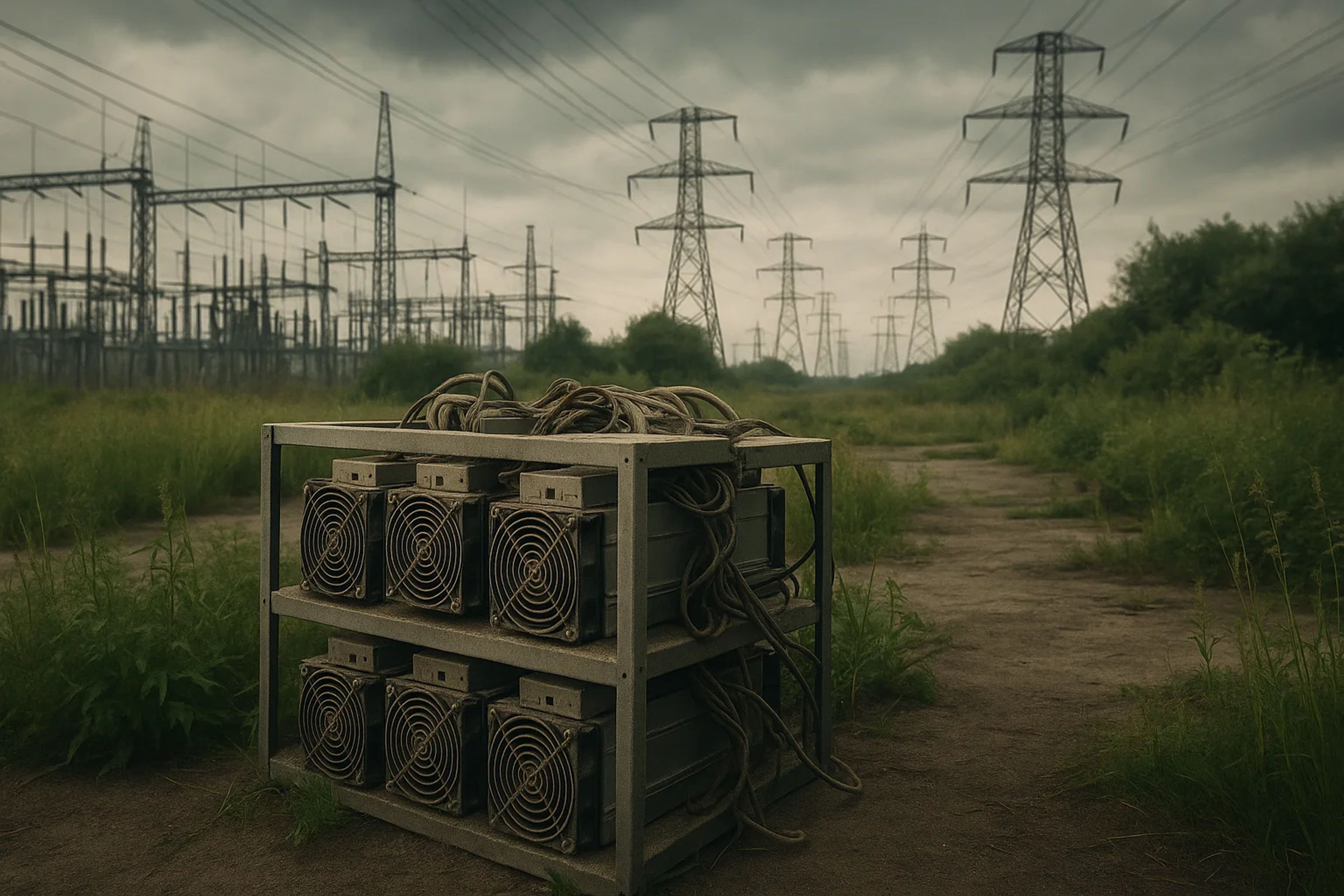
Russia bans crypto mining and pool participation in Moscow area through 2032
Decree No. 936 cites grid-capacity risk as Russia still accounts for 175 EH/s of Bitcoin hashrate in Q1.
Russia has imposed a year-round ban on crypto mining and participation in crypto mining pools in Moscow, the surrounding Moscow Region, and parts of Kursk through Dec. 31, 2032 under government decree No. 936. The restriction is being framed as a grid-stability measure, but the immediate Bitcoin network impact is hard to size without a regional hashrate breakdown.
Key Takeaways
- Government decree No. 936 bans crypto mining and participation in crypto mining pools in Moscow, the Moscow Region, and parts of Kursk through Dec. 31, 2032.
- Russia’s Energy Ministry described the restriction as a year-round measure intended to reduce power-capacity shortage risk as mining connects to regional grids.
- Russia was estimated at 175 EH/s, or 16.4% of Bitcoin’s global computing power, in Q1, ranking second behind the U.S., according to Luxor’s Hashrate Index.
- Mining load in the Moscow power system was estimated at roughly 1 GW, while Moscow-region data-center capacity could reach 3.6 GW (17% of peak demand) by 2032.
Decree No. 936 Extends a Moscow-Area Mining Ban Through 2032
Russia has moved its mining restrictions into the capital-region grid, banning crypto mining and participation in crypto mining pools in Moscow, the surrounding Moscow Region, and parts of Kursk through Dec. 31, 2032.
The legal basis cited is government decree No. 936. Local-media timing referenced in the source material places the signing date at July 25 and publication at July 31, setting up a long-dated, year-round prohibition rather than a seasonal curtailment.
The scope matters for operators because it is not limited to running rigs. The decree also bars participation in mining pools, which are the dominant way miners smooth payout variance by combining hashrate and sharing block rewards. That pool clause turns the measure into an operational constraint even for miners who might otherwise try to keep a small footprint online or route activity through third parties.
The Moscow-area action sits inside a broader Russian policy arc. Registered crypto mining was legalized in 2024, then bans were introduced across multiple regions as electricity demand rose. The Moscow decision is the most politically and economically central version of that same grid-capacity argument.
Grid-Capacity Math Behind the Ban: 1 GW Today, 3.6 GW by 2032
Russia’s Energy Ministry framed the restriction as a grid-management tool, saying the year-round ban was needed to reduce the risk of power-capacity shortages as energy-intensive mining facilities connect to regional grids.
The numbers attached to the Moscow system help explain why the policy is written as a decade-long constraint rather than a short-term clampdown. Mining was estimated to consume roughly 1 gigawatt in the Moscow power system, and Moscow-region data-center capacity could reach 3.6 GW by 2032, or about 17% of peak demand, figures attributed in the source material to Interfax.
For traders, the key point is that the government is treating mining as one of several large, flexible loads competing for capacity in a region that is also planning for a sizable data-center buildout. That framing tends to produce blunt instruments, because it is easier to ban or restrict a category than to manage it dynamically when reserve margins tighten.
The policy context also includes sanctions-era incentives. Finance Minister Anton Siluanov said in December 2024 that Russian companies had been using domestically mined bitcoin in international payments after legal changes designed to counter Western restrictions. Separately, the U.S. Treasury sanctioned BitRiver and 10 subsidiaries in 2022, arguing Russian mining companies could help monetize energy resources and offset sanctions impacts.
Hashrate Risk vs. Hashrate Reality: Russia at 175 EH/s, but Moscow Share Unknown
Russia’s role in Bitcoin mining is still large enough that any long-duration restriction reads as jurisdictional hashrate risk on its face. Luxor’s Hashrate Index estimated Russia at 175 exahashes per second in the first quarter, or 16.4% of Bitcoin’s global computing power, ranking second behind the U.S.
The catch is that the packet does not break out how much of that 175 EH/s sits in Moscow, the Moscow Region, or the covered parts of Kursk. Without that regional share, the market cannot translate the decree into a clean estimate of near-term hashrate displacement, difficulty adjustment pressure, or fee-market knock-on effects.
That uncertainty cuts both ways. If the restricted areas are a small slice of Russia’s industrial mining footprint, the network-level impact could be marginal, with the main effect showing up as higher friction for local operators and a push toward relocation. If the Moscow-area footprint is material, the ban could force a more visible hashrate migration, with the usual second-order effects: temporary hashrate drawdowns, a lagging difficulty response, and shifting economics for miners elsewhere.
The pool-participation prohibition adds another layer. Even if some mining could theoretically continue in adjacent areas, cutting off pool participation in the covered regions raises variance and operational complexity, which can accelerate shutdown decisions at the margin.
Signals to Monitor: Disclosures, Relocation, and Further Regional Restrictions
The first signal that matters is a credible estimate of how much of Russia’s 175 EH/s is actually located in Moscow, the Moscow Region, and the covered parts of Kursk. Until that number exists, the decree is more headline risk than a quantified difficulty catalyst.
The second is evidence of hashrate migration following the July 25 signing and July 31 publication timeline, including facility moves and new capacity announcements either elsewhere in Russia or abroad. Relocation is the typical release valve in long-dated regional bans, but it is not instantaneous, and the speed of that shift determines whether the network sees a dip or simply a reshuffle.
A third watchpoint is whether Russia extends similar grid-capacity language into additional regions, or tightens existing restrictions, since the Energy Ministry’s rationale is portable. The final piece is whether Moscow-region data-center and grid-demand projections are updated in a way that validates or challenges the cited 3.6 GW-by-2032 path, because that buildout case is doing a lot of work in justifying a year-round ban.
My Read: This Is a Jurisdictional Risk Headline Until We See Displaced EH/s
The filing is being read as an automatic hashrate shock, and that does not survive the missing variable. Russia’s Q1 estimate of 175 EH/s is big enough to matter, but the decree targets specific regions, and the packet does not quantify how much of that compute power is actually sitting inside Moscow, the Moscow Region, or the covered parts of Kursk.
The threshold that matters is displaced EH/s that cannot be quickly re-homed, because that is what turns a long-dated policy into a near-term difficulty and profitability event. If credible regional estimates emerge and they imply meaningful forced shutdowns rather than relocation, the setup starts to look structural rather than narrative-driven.


