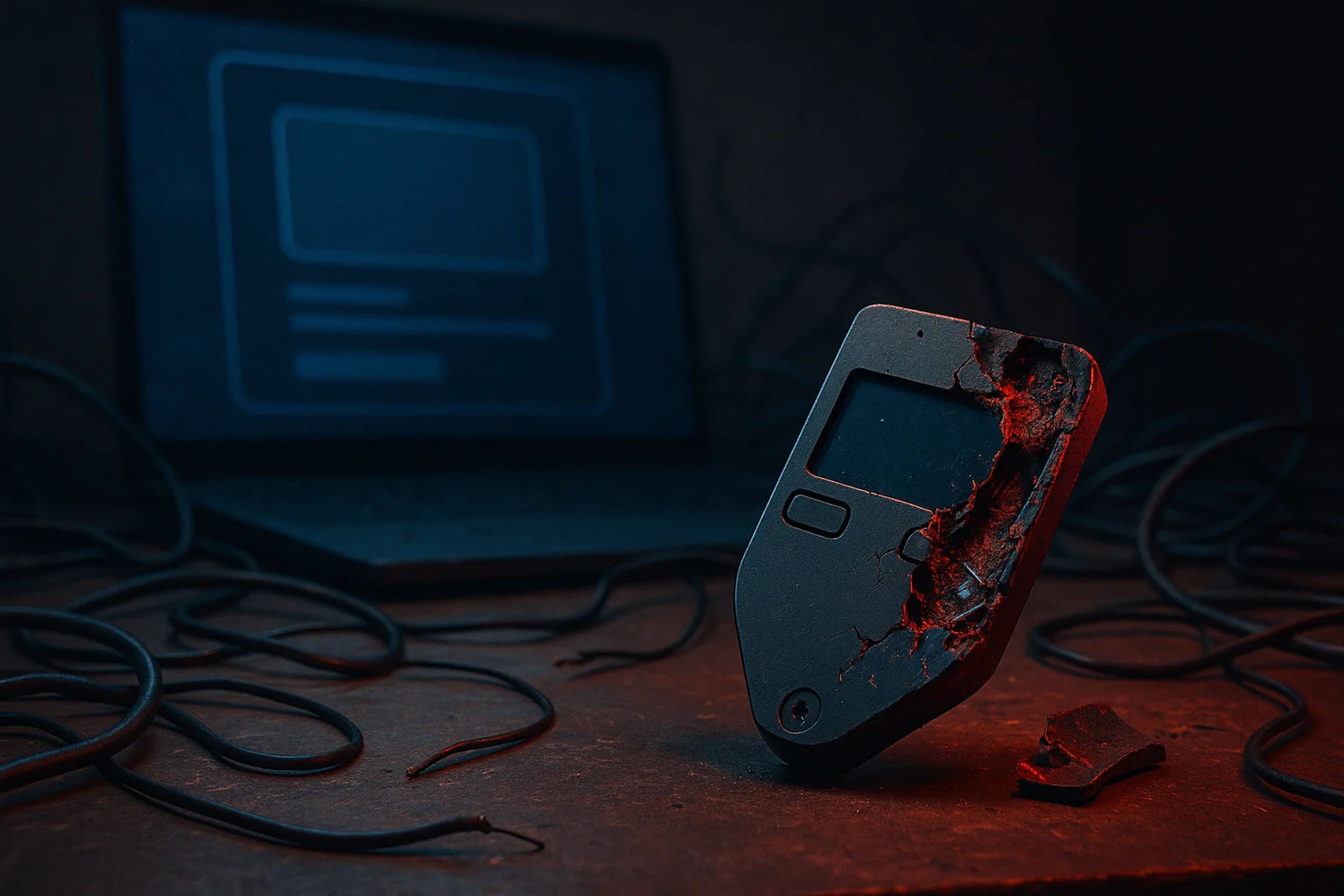
SecondFi to wind down Yoroi and SecondFi after 16.1M ADA wallet exploit
Recovery and migration tools are now targeted for August, and no reimbursement plan has been announced.
SecondFi said it will wind down its SecondFi and Yoroi wallet services after a cryptographic flaw in its wallet software led to the theft of about 16.1 million ADA, roughly $2.6 million. The breach affected 374 wallets, and recovery and migration tooling is now targeted for August with no direct reimbursement plan disclosed.
Key Takeaways
- SecondFi is winding down SecondFi and Yoroi wallet services after a breach tied to a cryptographic flaw in its wallet software.
- About 16.1 million ADA, roughly $2.6 million, was stolen across 374 affected wallets.
- An independent investigation by Groom Lake pointed to a “sophisticated external actor” and flagged indicators potentially linked to North Korea’s Lazarus Group, though attribution has not been confirmed.
- Recovery tooling and wallet migration options are targeted for August, and no reimbursement plan has been announced.
SecondFi to Wind Down Yoroi and SecondFi After 16.1M ADA Theft
SecondFi’s July 22 update formalized a shift from incident response to shutdown mode. The company said it will wind down both SecondFi and Yoroi wallet services after attackers exploited a cryptographic flaw in its wallet software and stole about 16.1 million ADA, valued at roughly $2.6 million.
The scope is not theoretical. SecondFi said 374 wallets were affected. For Cardano users, that combination of a confirmed loss figure and a service wind-down turns the event into an operational-risk problem, not just a one-off exploit.
What the Cryptographic Flaw Means for Users Still Stuck in the Blast Radius
SecondFi has framed the root cause as a cryptographic flaw, meaning a weakness in the wallet’s cryptography that can allow attackers to bypass security and steal funds. The immediate user impact is less about the technical post-mortem and more about constraints.
In late June, SecondFi advised affected users not to restore recovery phrases into new Cardano wallets, warning that moving funds elsewhere “does not mitigate the risk” while the incident was investigated. That guidance matters because it kept users from taking the simplest self-help path.
Now the company is simultaneously winding down services while recovery and migration tooling is still pending. That sequencing is the key risk signal. It extends uncertainty for users who may still be waiting on a sanctioned path to recover or move assets, and it raises the odds that wallet-provider risk gets repriced across the Cardano ecosystem.
SecondFi also did not announce a direct reimbursement plan or say whether it would compensate users from its own funds, leaving the financial outcome for affected users unresolved.
Groom Lake Findings: ‘Sophisticated External Actor’ and Unconfirmed Lazarus Indicators
SecondFi said an independent investigation by blockchain intelligence provider Groom Lake identified a “sophisticated external actor” behind the attack. The same update said Groom Lake found indicators “potentially linked to North Korea’s Lazarus Group.”
That language can drive headline risk on its own, but the caveat is explicit. SecondFi said no attribution has been confirmed. Until there is confirmation, the Lazarus angle functions more like a sentiment accelerant than a settled fact pattern.
Signals to Watch for SecondFi winds down after $2.6M ADA
The next catalyst is execution. SecondFi said recovery tools and migration options are now targeted for August 2026, after earlier expectations that a recovery process would begin within about two weeks of June 27 following testing and security reviews. Slippage beyond August, or delays tied to the stated third-party audit, would likely deepen the trust drawdown.
The market also lacks a concrete operational end date. Any update that specifies the exact wind-down timeline for SecondFi and Yoroi will matter for users assessing urgency and for traders modeling forced selling or delayed access.
Compensation is the other open variable. A reimbursement plan, or an explicit decision to rule one out, would clarify whether this becomes a contained user loss event or a broader reputational overhang.
Finally, any follow-on statements that confirm or refute the Lazarus-linked indicators cited by Groom Lake could swing the narrative from wallet-specific failure to ecosystem-level security concern.
Why This Incident Matters for Cardano Wallet Risk Perception
I treat the wind-down as the real inflection point. A theft is bad, but a theft plus a service discontinuation while users wait for tooling is how an exploit becomes a rolling operational-risk event that bleeds into sentiment.
The threshold that matters is delivery: if SecondFi ships audited recovery and export tools on the August target and clarifies the shutdown timeline, the damage can stay localized. If August slips again or reimbursement remains undefined, the setup starts to look structural rather than narrative-driven, and wallet-provider risk becomes something ADA traders have to price, not just read about.


