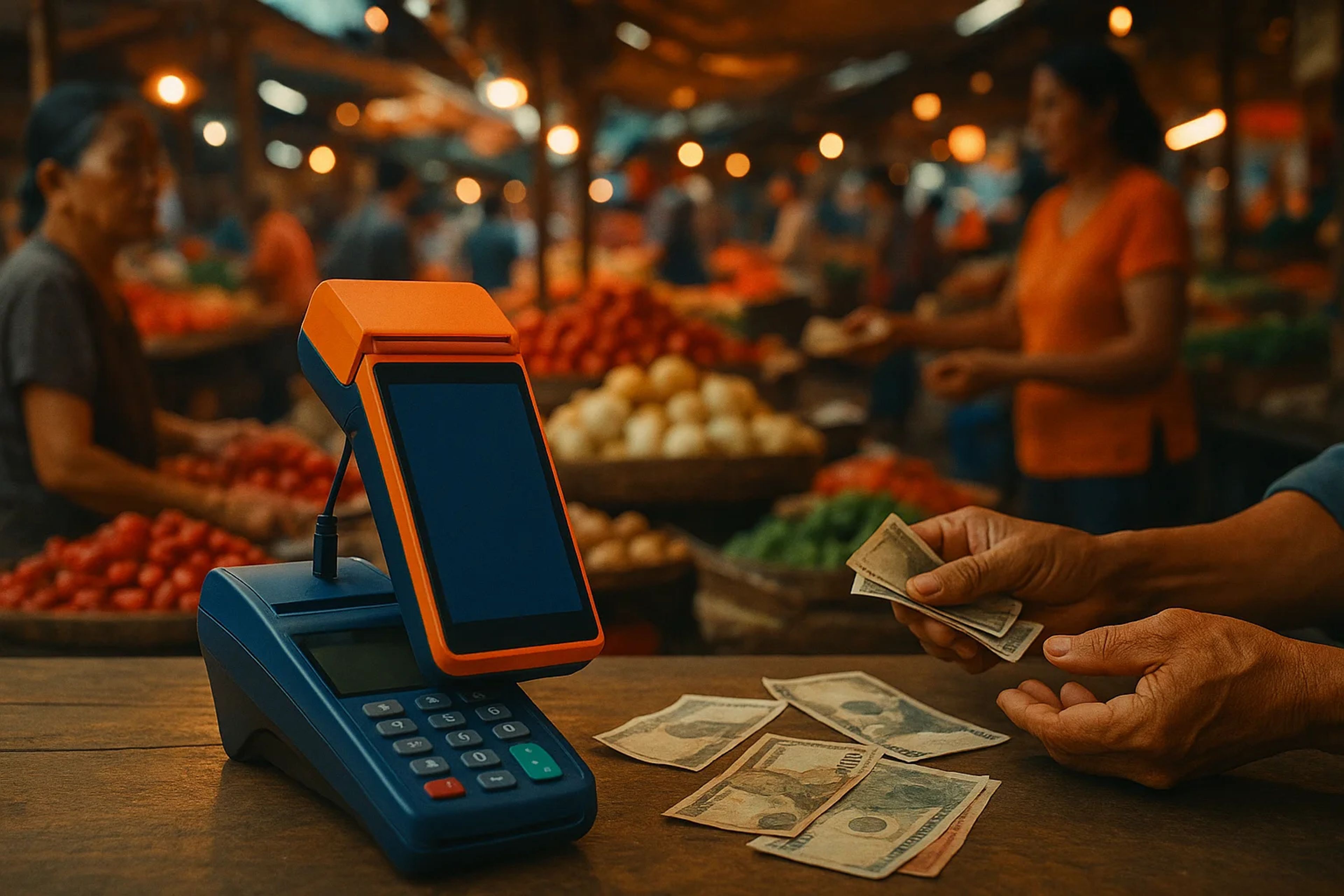
Visa survey: APAC stablecoin intent hits 46% over five years, usage is 16% today
Only 6% of respondents accurately understood stablecoins, and fraud fears were the top barrier among aware non-users.
Visa’s latest Asia-Pacific consumer survey found a wide gap between stablecoin curiosity and actual usage: 46% said they are likely to use stablecoins within five years, versus 16% who used them in the past 12 months. The same dataset flagged a deeper constraint for payments-led growth, with only 6% demonstrating accurate understanding and fraud concerns topping the list for aware non-users.
Key Takeaways
- Visa’s survey of 14,250 Asia-Pacific respondents found 46% expect to use stablecoins within five years, compared with 16% who reported using them in the past 12 months.
- Consumer comprehension remains thin: only 6% demonstrated accurate understanding, and 49% of people aware of stablecoins believed they are only for buying and selling cryptocurrencies.
- Among respondents who knew about stablecoins but had not used them, fraud and scams were the most frequently cited reason for staying out.
- Visa is expanding its stablecoin settlement network and seeking broader token and blockchain support, while partner Reap is preparing local-currency stablecoins for 24/7 FX settlement, including potential HKD, won and yen tokens.
Visa’s APAC Survey Puts a Number on Stablecoin Payment Intent
Visa’s latest read on Asia-Pacific stablecoin adoption puts a hard number on something the market usually treats as vibes: intent is running far ahead of behavior. In a survey of 14,250 people, 46% of respondents said they are likely to use stablecoins within the next five years, while 16% said they used stablecoins in the past 12 months.
Visa framed that five-year openness as a potentially large addressable market, saying nearly half of Asia-Pacific’s 2.5 billion consumers are open to start using fiat-pegged cryptocurrencies within that timeframe. The packet does not include country-by-country splits or sampling details, so the jump from a 14,250-person sample to an APAC-wide consumer count should be read as Visa’s own extrapolation rather than a fully auditable forecast.
The survey also tied intent to a specific payments use case. About 49% of respondents said they believe stablecoins could become a common way to move money across borders within the next five years, putting cross-border transfers and foreign exchange friction at the center of the pitch.
The Education Gap: 6% Understand Stablecoins, Many Still See Them as ‘Crypto Trading’
The adoption ceiling in Visa’s data is not just about access. It is about positioning and comprehension. Only 6% of respondents demonstrated an accurate understanding of how stablecoins work, and Visa said 49% of people who were aware of stablecoins believed they could only be used to buy and sell other cryptocurrencies.
That matters because stablecoins are not inherently a “trading product” in the way many consumers seem to categorize them. A stablecoin is a cryptocurrency designed to hold a steady value, typically pegged to a fiat currency like the U.S. dollar. “Fiat-pegged” is the mechanism claim: the token’s value is intended to track a government-issued currency such as USD, HKD, or JPY.
If half of aware respondents still file stablecoins under “crypto trading,” payments adoption has to fight uphill on two fronts at once. It has to convince users that stablecoins are usable for everyday purchases, travel, and cross-border transfers, and it has to do that while the product is still mentally grouped with higher-risk, price-moving assets.
Visa’s Asia-Pacific head of digital currencies, Nischint Sanghavi, described the shift as real but incomplete. “We're seeing a meaningful shift in how consumers across Asia Pacific think about stablecoins,” he said, arguing that interest is rising even as knowledge lags.
Trust Is the Bottleneck: Fraud and Scams Lead the List of Barriers
The most direct reason intent may not convert cleanly into usage is trust. Visa said fraud and scams were the most commonly cited obstacle among respondents who were aware of stablecoins but had not used them.
That is a different problem than education, and it is harder to solve with marketing. Payments adoption tends to move when users believe the rails are familiar, reversible when something goes wrong, and supported by recognizable brands. Stablecoins, by contrast, often ask users to accept new custody and transaction patterns at the same time they are being warned about scams.
Visa’s own messaging leans into that gap. Sanghavi said, “Consumers are beginning to see how stablecoins could support the ways they already spend and move money,” before adding: “The opportunity now is to turn that interest into trusted and familiar payment experiences that work at scale.” The incentive is clear: if stablecoins become a mainstream settlement layer, the winners are the firms that can wrap them in consumer-grade protections and merchant acceptance.
Visa also positioned itself as building for that outcome regardless of how quickly consumers catch up. The company said it has expanded its stablecoin settlement network and is seeking to support a wider range of tokens and blockchains, a posture that treats stablecoins less as a retail product and more as a back-end settlement option.
What Would Confirm the Trend in the Next 6–18 Months
The first confirmation point is methodological clarity. Any additional disclosure from Visa on how the 14,250-person sample was constructed, including country-by-country splits and sampling approach, would help traders judge whether the 46% five-year intent figure is broadly representative or concentrated in a few markets.
The second is product specificity. Visa has said it expanded its stablecoin settlement network and wants to support more tokens and blockchains. The market signal strengthens if Visa names which tokens and chains are being added and, more importantly, whether it discloses settlement volumes rather than just capability.
Third, watch whether local-currency stablecoins move from concept to live settlement. Visa partner Reap is preparing local-currency stablecoins for 24/7 foreign-exchange settlement in Asia and other markets, including potential Hong Kong dollar, won, and yen tokens. Progress updates that include actual FX settlement usage would be a cleaner adoption marker than consumer intent surveys.
Finally, the trust bottleneck has to be addressed directly. New consumer-protection or anti-scam measures from stablecoin and payments providers that map to the fraud concerns cited by aware non-users would be the most practical bridge between “likely to use” and “used in the past 12 months.”
My Read: Traders Should Treat This as a Demand Signal, Not an Adoption Forecast
The survey is being read as an adoption forecast, and I don’t think that survives contact with the internal contradictions in the same dataset. A five-year intent number of 46% alongside 16% past-year usage is a big spread, and the 6% “accurate understanding” figure explains why that spread can persist for a long time without resolving.
The threshold that matters is whether Visa’s settlement expansion and Reap’s local-currency stablecoin work translate into disclosed volumes and live 24/7 FX settlement, because that is where intent becomes measurable behavior and stablecoins start to matter as payments infrastructure rather than a narrative about future consumers.


