Stand With Crypto endorses 32 House candidates as CLARITY faces Sept. 15 Senate clock
The Senate has 14 in-session days before the November election to advance a CLARITY cloture motion.
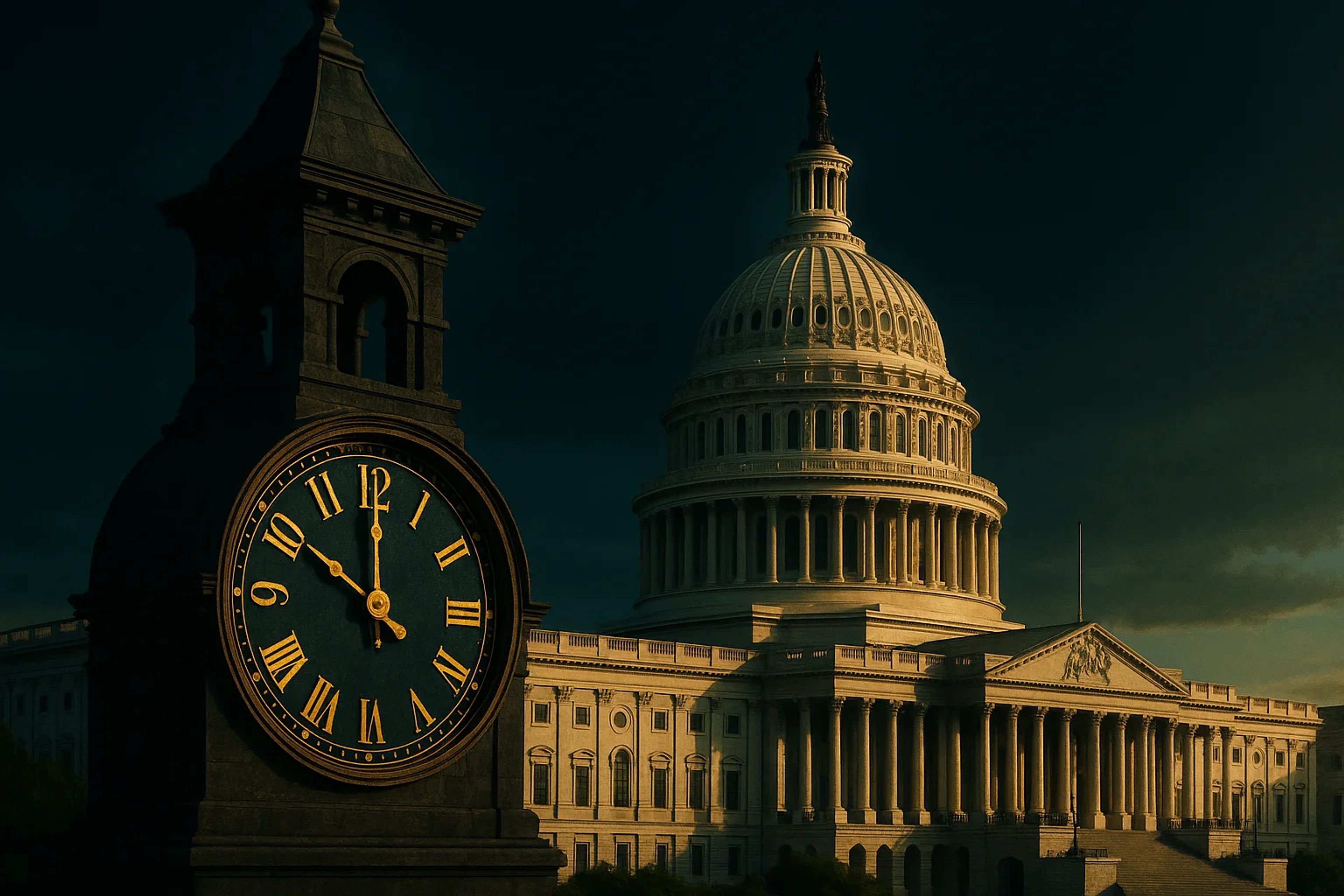
Coinbase-launched advocacy group Stand With Crypto endorsed 32 US House candidates for the 2026 midterms as Washington heads into a compressed legislative window for crypto market-structure rules. The CLARITY Act is scheduled for a Senate cloture motion when lawmakers return Sept. 15, leaving just 14 in-session days before the chamber breaks ahead of the November election.
Key Takeaways
- Stand With Crypto, launched by Coinbase in 2023, backed 32 House candidates for the 2026 midterms based on their digital asset policy positions.
- The group said it is concentrating on competitive races “where Stand With Crypto advocate numbers are most likely to influence outcomes.”
- The CLARITY Act cleared the House with bipartisan support in July 2025, but Senate talks have been tangled up in ethics, tokenization, and stablecoin rewards.
- A Sept. 15 cloture motion puts CLARITY into a 14-session-day sprint before the Senate breaks ahead of the November election.
Stand With Crypto Drops 32 Endorsements as CLARITY’s Sept. 15 Senate Clock Starts
Stand With Crypto expanded its midterm push on Aug. 24, endorsing 32 candidates for US House seats ahead of the 2026 election. The group, launched by Coinbase in 2023, framed the slate as an attempt to influence federal digital asset policy by elevating candidates it views as aligned with the industry’s regulatory priorities.
The timing matters because the Senate’s next procedural step on the Digital Asset Market Clarity (CLARITY) Act is already on the calendar. CLARITY is scheduled for a cloture motion once the Senate returns from recess on Sept. 15, and the chamber has only 14 days in session before breaking again ahead of the November election.
For traders, that is the setup. A time-boxed legislative catalyst tends to pull market structure narratives forward, even when the underlying probability of final passage is still unclear.
Why the Endorsements Matter to Market Structure: The ‘Crypto Voter’ Pitch
Stand With Crypto is not trying to signal broad, generic support. It is trying to create marginal pressure in races that can actually flip. The organization said it is targeting competitive contests “where Stand With Crypto advocate numbers are most likely to influence outcomes.” That is a resource allocation statement, not a branding statement.
Executive director Mason Lynaugh put the strategy in electoral terms. “Crypto Voters have become a durable, motivated voting bloc, which has the potential to swing key congressional races in the midterms,” he said. Lynaugh also tied the endorsements directly to the legislative moment, adding: “The midterms come at a key inflection point for crypto policy in Washington, D.C.”
He sharpened the warning for candidates trying to build coalitions outside traditional bases. “As candidates from both parties are trying to reach voters outside of more traditional constituencies, they overlook Crypto Voters at their own peril,” Lynaugh said.
The market-structure angle is straightforward. If lawmakers believe there is an organized constituency that can punish delay or reward progress, the incentive shifts toward getting a bill to the floor, even if the bill is imperfect and even if amendments are still being negotiated.
CLARITY’s Path So Far: House Passage, Then Senate Friction Points
CLARITY already has one chamber behind it. The House passed the bill with bipartisan support in July 2025, positioning it as the main vehicle for a comprehensive rewrite of US digital asset market structure.
The Senate has been the friction point. Discussions have included ethics, tokenization, and stablecoin rewards, a mix that reads as much like political optics as policy plumbing. Ethics provisions can become a headline trap. Tokenization language can drag in broader questions about securities treatment and market access. Stablecoin rewards can turn into a proxy fight over consumer protection and incentives.
Stand With Crypto has been building a longer arc of political influence to support its pitch that lawmakers should take the constituency seriously. During the 2024 election cycle, crypto-backed organizations and PACs spent more than $170 million supporting candidates they considered favorable to the industry, and many of those candidates went on to win.
The group also said more than 270 “pro-crypto” candidates were sent to Congress in 2025, which it argued could influence votes on legislation including the Guiding and Establishing National Innovation for US Stablecoins (GENIUS) Act.
One complication is that the endorsement announcement does not include the names of the 32 candidates or identify which districts the group considers most competitive. That makes it harder to quantify how much real leverage the organization has in the races that will decide House control.
The 14-Day Window and the Post-Midterm Backstop: Dates That Can Move the Narrative
The near-term catalyst is procedural. Sept. 15 is the Senate’s return date, and CLARITY is scheduled for a cloture motion. Cloture is the mechanism to end debate and move toward a vote, and it is the kind of milestone that can generate price-sensitive headlines even if the bill’s final form is still in flux.
The constraint is the calendar. The Senate has 14 in-session days before breaking ahead of the November election, which forces leadership to decide whether CLARITY is a priority floor item or a post-election project.
There is also a backstop window. After the midterms, the Senate will have another 22 days before 2027 to return CLARITY to the House, after which it could head to the president’s desk for approval.
Political optics are already bleeding into the narrative. President Donald Trump appeared with several crypto CEOs and executives last week and urged the Senate to pass a “fair version” of CLARITY. The article also notes that Trump family financial ties to the industry could complicate a vote, and it references a recent poll in which a majority of Americans called those crypto investments not “appropriate,” though the pollster and methodology were not provided.
My Read: Traders Should Treat CLARITY as a Calendar Trade, Not a Done Deal
The threshold that matters is not the endorsement count. It is whether the Senate actually burns scarce floor time on a Sept. 15 cloture motion and keeps CLARITY on the front burner inside a 14-day session crunch.
If leadership prioritizes it, the setup starts to look structural rather than narrative-driven because it forces senators to take public positions on the bill’s sticking points, not just talk around them. If it slips into the post-midterm window without clear text changes on ethics, tokenization, or stablecoin rewards, this remains a headline catalyst with limited follow-through, and the market will treat it that way.


