
Crypto
Binance RWA perps pressure Hyperliquid’s HYPE buyback narrative, Liu says
Alice Liu tied HYPE’s $86 ATH to $400M+ in buybacks and warned revenue could slip as liquidity shifts to Binance.
·7 min read·
Lead Market Analyst
Former derivatives trader with six years on institutional crypto desks. Covers market structure, liquidity, and the second-order effects most coverage skips.
Alice Liu tied HYPE’s $86 ATH to $400M+ in buybacks and warned revenue could slip as liquidity shifts to Binance.

Bitcoin redemptions hit all four sessions in a holiday-shortened week, while Ether’s gain came from a $216.4M Friday led by ETHA.

The exposed dataset includes KYC images and full transaction histories with Bitcoin records, while Revolut says funds and systems are unaffected.

Negotiators were still short of 60 votes as of Friday afternoon, with the midterm calendar compressing the 2026 window.

The alignment puts evaluator access and cross-government coordination at the center of frontier AI timelines.

Longs control 66% of exposure as H tests the 50-day EMA with $0.169 back in focus.

He framed the delay around AI safety and alignment work and said the company feels no pressure to go public.

The stablecoin’s supply was cited at $2.4B, with Europe MiCA dual issuance and selective multichain rollout also in scope.

The firm says no customer funds were lost, but it has not disclosed how many users were affected.

Vlad Tenev says consent is only needed if a token changes shareholder rights or the official shareholder record.

CEO Andrej Majcen framed the move as cost-driven and tied to an international wealth-platform push.

The conversion ratio resets to 1:410 and the company says the change lifts BTC per fully diluted share by about 8.8%.

Remaining shareholders are set to receive cash based on Oct. 21 NAV, with payment expected around Oct. 22.

The 20% auto-expanding executive pool lands as Southeast Asia funding concentrates and Singapore tightens its hub role.

Amendment 88 passed 194–138 despite Labour opposition and now returns to the House of Commons.

The firms are pitching stablecoin acceptance, settlement, and real-time funding, with custody routed through Coinbase accounts for businesses.

The team blamed sniper bots and thin liquidity and plans a 4M-token Aerodrome incentive starting Sept. 10.

Linea, Besu and Teku move into a new institution-focused Consensys with a separate executive team.

The proposal would replace Germany’s 12-month tax-free rule for assets acquired after Jan. 1, 2027, while floating grandfathering for earlier buys.

The shift lands as the US sanctions four Iranian crypto exchanges and cites $1B seized plus $130M+ frozen.

The custody firm has been marketed at $500M, while inbound interest was described around $200M after $2B+ highs.

The USDT-settled contracts extend Bybit’s TradFi Perpetuals suite into currencies alongside equities, commodities, ETFs and pre-IPO names.

The firm put total holdings at 5.93 million ETH as Dropstab data pegged unrealized losses at $5.1 billion.

The pilot targets programmable payments and digital asset settlement, with use cases tied to fraud, ticketing, and public payments.

A 20%-of-fully-diluted executive pool was capped at 319,464,000 shares, but critics want a retroactive reset and MMXX clarity.

The launch is signaled for Wednesday, days before the Senate’s Sept. 15 CLARITY Act cloture vote.

Legacy formats stay valid, but indexers and explorers must update to avoid failed reads and zero-fee displays.

The one-day flip came despite Pump.fun’s more than $57M 30-day lead versus Fomo’s $17.6M.

Explorer data shows the federation wallet fell from ~4,200 BTC to 207.275 BTC as weekly ETF inflows hit $986.9M.

The state is asking whether Dodd-Frank preempts state gambling rules for contracts listed on CFTC-regulated venues.

Bitwise BHYP buying and protocol burns are measurable, but small versus an ~$860M contributor release.

$2.55 Is the next major resistance after inflows rose to $6.03M and holder revenue reached $112K.

A 2026 example shows BTC down about 9%, but down 36% if the five best days are removed.

The firm says other former users may recover funds, but claims hinge on 2011–2012-era proof of ownership.

Average on-ledger value reached about $4.26B, with RLUSD balances averaging $539M and tokenized assets $3.72B.

The packet frames the move as a compliance-pathway question and provides no timeline, filings, or product terms.

The dashboard count rose to 2,079 records as Pineapple targets 29,000 mortgages worth over $10B onchain.

IBIT took $454M of the day’s inflows, while CryptoQuant says the rally still needs a decisive close above $83,000.

A later February 2026 U.S. seizure warrant ordered burn-and-reissue, sharpening questions about issuer-level controls.

Partner status puts Mantle into USDG’s reward-sharing structure tied to stablecoin activity.

Chris Brooks says a 2021 Georgia trip tied to a claimed 5,000 BTC haul ended with a near-empty wallet and hard lessons on passphrases.

The regulator flagged civil and criminal exposure, including fines that can reach 10% of annual turnover.

The department says the infrastructure seizure let agents intercept donations and collect data on thousands of would-be donors.

Switchboard halted its Move-based network on Aptos, Sui, IOTA and Movement while investigating a potential compromise.

OpenAI says Astra found zero-days and built exploit chains in tests, prompting delays and restricted access to top capabilities.

The group plans to form a stablecoin-issuing company in 2H 2026 and says it will align with the U.S. GENIUS Act and EU MiCA.

The first major update since the paper-certificate era starts a 60-day comment window after Federal Register publication.

BTC returned 26% and ETH gained 34% in August 2026 as perps and funding became exchange table stakes.

The Trump Jr.-linked fund’s reported $300M check lands as state actions and banking friction tighten around prediction markets.

The same report links the one-day volume high with TVL growth, but the underlying data source and breakdown were not provided.

The brokerage cited OSC data showing ownership rose to 25% this year from 10% in 2023 as Canada debates a stablecoin framework.

One 12-year-dormant wallet sent 20.00010537 BTC to a large custodian, got 20.00006037 BTC back, then burned it in May.

The pricing sits below a 60%–70% “validation” band even after BTC and gold sold off on inflation rhetoric.

Bitcoin researchers also advanced post-quantum defenses with a mainnet QSB spend and an Aug. 27 SHRINCS signature BIP.

The teaser follows a roughly two-month pause in weekly buys while Strategy built a $5.1B reserve and a $1.59B cash pool.

CME bitcoin futures open interest rose to about 122,000 BTC as CryptoQuant flagged a rare hedge-fund net-long flip.

A 9.6% one-day drop in Open Interest puts $222 as the breakdown trigger and $188 as the next downside reference.

Avici says $500,800 was taken from 1,685 users’ card-funding balances, with refunds promised but no timeline given.

The network’s RWA value rose about 360% in 2026, while XLM traded near $0.18 and stayed down roughly 11% YTD.

He argues dashboards miss off-contract collateral use and that settlement speed, not composability, caps leverage loops.

Total category assets fell to $97.6B after briefly topping $100B as BTC traded below $78,000.

The deal follows an FCA warning to Premier League clubs about crypto-linked sponsorships from unauthorized firms.

With no federal AI-agent liability statute, courts would likely use negligence and hacking laws to assign fault to developers or deployers.

Dunamu says no stablecoin rail has been prioritized, with Open Standard’s proposed OUSD only one option under review.

The move escalates a state-by-state legal split as Kalshi calls court outcomes “close to 50-50.”

The plan ends monthly VC releases, buys back locked seed tokens, and gates a 95% revenue buyback engine at $7.5B USDe supply.

The prime broker is pitching single-counterparty, cross-margin exposure across equities, indexes and digital assets for institutions.

The proposal targets roughly 3 TPS throughput but flags “a security proof is TODO” and wallet-side fund-loss risks.

The tests cover issuance, remittance, redemption, and card-settlement pilots as Korea advances the Digital Asset Basic Act.

The plan pairs a repeatable issuance path with language that could extend securities risk into secondary trading.

The Tornado Cash developer’s retrial was moved from Oct. 26, 2026, after defense sought more prep time and prosecutors opposed a delay.

The group targets stablecoins, tokenized deposits, and smart payments, but has not picked a technology partner.

The deal with Intain and Olea follows a July Injective pilot and points to stablecoin settlement as a next step.

The firm says hosted-model guardrails blocked forensic work, so it ran zai-org/GLM-5.2 on its own infrastructure mid-incident.

Analysts say thin historical volume from $80K–$90K could speed the next move if $83K breaks and holds.
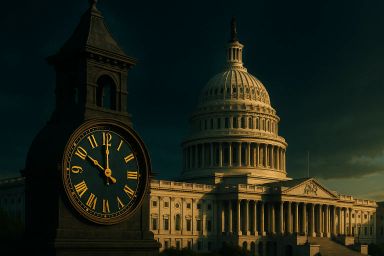
The Senate has 14 in-session days before the November election to advance a CLARITY cloture motion.

Chen said Bitcoin’s ~$79,000 rally looks fragile to her, even as she allows for a $20,000 higher year-end print.

The 50-day moving average has crossed above the 200-day, but prior ETH/BTC crossovers have whipsawed traders.

BTC traded at $77,559 after briefly topping $79,000, with $2.61B in BTC/ETH ETF inflows and a Sept. 15 CLARITY vote ahead.

Industry lawyers welcomed the shift to formal rulemaking, but still point to the Clarity Act as the durable fix.

Spot net outflows of $8.35M and a 6.35% drop in open interest set the near-term pivot after a 7-day rally.

The breakout attempt is still unconfirmed without a daily close above $2.38, with $2.00 and $1.60 flagged as downside triggers.

DEX volume hit a $141.61M 24h monthly high and long positioning is near 70% into resistance.

The exchange said a restructuring roadmap is expected by Sept. 9, weeks after setting an Aug. 26 trading-end deadline.

A May 20 consultation running through Sept. 30 tests whether onchain lending fits MiCA and who counts as the regulated provider.

The Aug. 18 amendment disclosed non-binding talks for a ~200,000 ZEC purchase, while futures volume hit $4.55B versus $553M spot.

The Sangamon County filing adds to the Digital Chamber’s earlier case and raises near-term compliance uncertainty for Illinois-facing platforms.

Prosecutors also opposed a Polymarket dismissal bid that challenges CFTC authority over event contracts.
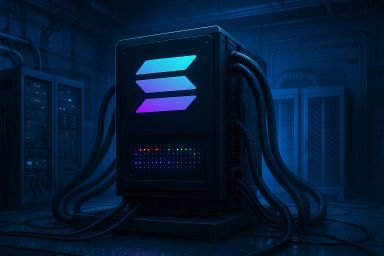
The staged plan targets 200ms, but full mainnet activation is tied to a tentative Agave v4.2 schedule.

Spot Ether ETFs added $220.8M the same day, their biggest intake since Oct. 28, 2025.

He floated a DCM-style “crypto asset market” label as a fallback if the bill cannot reach 60 votes within three weeks.

Strategist Mark Connors frames the shift as a long-yield relief valve, with Sept. 15 policy progress as the near-term check.

Artemis Analytics says on-chain and usage data show no MiCA-timed break in global USDT demand or chain migration.

The acceptance landed two days before South Korea’s tighter VASP entry requirements took effect.

Traders are anchoring to a Sept. 15 Clarity Act vote and expanded Treasury buybacks, with $66.6K now the key technical line.

The White House remarks offered no approval, structure, or timeline for an onshore perps product.

The Australian firm claims it extracts wallet addresses “by the hundreds and by the thousands” for an unnamed blockchain-analysis client.

Robinhood Stock Tokens offer 1:1-backed exposure to 190+ U.S. stocks in 120+ countries, but U.S. rollout hinges on securities rules and shareholder rights.

The ad blitz barely referenced crypto even as Congress heads toward a September CLARITY Act vote.

The one-year security token pays 1.72% with a 100,000 yen minimum and bypasses securities firms used in March 2025.
The choice mainly shifts execution and compliance burden between the fund and authorized participants, affecting spreads, tracking, and potential tax outcomes.
Authorized participants create or redeem shares in large blocks when premiums or discounts clear trading-cost hurdles.
Authorized participants create or redeem ETF shares in large blocks by swapping a daily-published basket for a creation unit.
SEC fee tables show what the fund charges, but structure, spreads, and embedded fees can change what investors actually pay.
A crypto ETF can reduce wallet and key-management risk, but you own fee-decaying shares that trade with spreads and can diverge from NAV.
Treat daily net flows as a lagging positioning print, then validate it with streaks, fund dispersion, and NAV premium plus liquidity context.
Spot ETFs hold the asset, while futures ETFs hold CME-style contracts whose roll and basis can drive returns away from spot.
A crypto ETF trades like a stock but packages crypto exposure into a fund share that can diverge from its underlying value and charges ongoing fees.
A staking-enabled crypto ETF stakes the fund’s own ETH via custodians and validators, then passes net rewards as cash or through NAV.
The key distinction is what you legally own: a fund share with creation-redemption plumbing, or an issuer note that adds credit risk.
A spot Bitcoin ETF trades like a stock but can drift from BTC due to fees and pricing mechanics, while spot ownership gives control with different operational risk.
Spot ETF flows transmit into crypto through creations and redemptions, while cash vs in-kind mechanics can change how noisy that transmission gets.
They are public companies that hold and accumulate crypto on their balance sheets, so the stock can trade at a premium or discount to the coins.
The next approvals are increasingly shaped by generic listing standards and regulated futures “seasoning,” not coin-by-coin SEC exceptions.
Generic listing standards shift attention from 19b-4 decision dates to S-1 clearance and eligibility signals like six-month regulated futures trading.
Both products are spot ETFs that hold crypto for brokerage access, but ETH funds forgo staking yield and can face extra cash-creation friction.
A spot bitcoin ETF trades like a stock while holding bitcoin in custody, using NAV and creation baskets to keep shares near the value of its holdings.
Macro releases punish sloppy fills, so the workflow is scenarios first, then wait out the first reaction, then execute with slippage-aware sizing.
This checklist treats liquidation risk as a timeline problem, using Maker’s OSM delay, penalties, and Dutch auctions as the reference model.
Size each trade from dollars-at-risk divided by stop distance, then cap total open risk so correlated moves do not stack losses.
A perp stop-loss is a pre-committed exit that closes your position before maintenance margin triggers an exchange liquidation.
The same perpetual futures position can behave differently depending on mark price design, latency, and the full stack of fees and slippage.
The best levels are crowded order zones, so breakouts need acceptance via closes, volume, momentum, and often a retest.
Good risk control starts before entry by capping loss per trade, sizing the position, and choosing stop and take-profit orders that will actually execute.
Spot makes you pay with capital and custody, dated futures price in basis to expiry, and perpetuals charge or pay a recurring funding rent.
The real split is decision control and execution path, which determines slippage, fees, and whether published performance can be replicated.
Each order type is a different trade-off between execution certainty, price control, and trigger-based automation when markets move fast.
Use spread and depth to estimate your real execution price, then pick the order type that matches the liquidity on screen.
Candlestick patterns turn OHLC candles into tradable hypotheses only when they form at key levels and come with confirmation and a clear failure point.
Funding is the live price of leverage in perpetual futures, and it only becomes a signal when you convert it into carry and crowding.
This guide covers the wallet-to-deposit-to-trade flow and the points calendar, including the Wednesday cutoff, Friday distributions, and affiliate matching.
Funding rates are timed transfers between longs and shorts that keep perpetual futures near spot and can warn when leverage is getting crowded.
Leverage lets a small margin deposit control a larger position, but it adds liquidation triggers and recurring funding costs on perpetual futures.
Liquidation starts when assets no longer cover debt plus interest at an exchange-defined threshold, forcing collateral sales and fees.
DYdX runs a Cosmos app-chain with in-memory books and indexer-driven UX, while Hyperliquid runs an integrated L1 plus HyperEVM with validator-threshold bridging.
Open interest is a leverage inventory gauge, and it only becomes a usable signal when paired with price, volume, long/short ratios, and liquidation maps.
Perpetual futures are non-expiring crypto derivatives that use trader-to-trader funding payments and strict liquidation rules to manage price tracking and solvency.
A perpetual DEX lets you trade no-expiry futures from a self-custody wallet, with pricing anchored by oracles, funding, and automated liquidations.
GMX perpetuals are oracle-priced, non-custodial leveraged positions where execution is keeper-driven and holding costs accrue through funding and borrowing ledgers.
Treat every backtest as guilty until it survives bad data, pessimistic execution costs, and a 30-day paper run with locked-down API permissions.
Grid bots try to harvest range volatility with many small trades, while DCA bots build inventory over time to reduce entry timing risk.
They translate natural-language intent into exchange and wallet actions via tool “skills,” which makes controls and permissions more important than backtests.
Copy trading mirrors a lead trader’s orders, but your results hinge on market type, sizing mode, fees, and the loss limits you set.
Automation can follow rules 24/7, but slippage, liquidity limits, and on-chain front-running often decide the realized outcome.
Polymarket’s big percentage is usually a midpoint mark, while your executable odds are the bid or ask plus any slippage from depth.
Kalshi’s core cost is a per-contract fee that peaks at 1.75¢ at 50¢, plus separate deposit and withdrawal charges that depend on payment method.
The edge is matching your thesis to each contract’s resolution rule and close time, not guessing “hawkish” or “dovish.”
Bots can earn by enforcing YES+NO parity and capturing spreads, but thin liquidity and operational risk cap sustainable returns.
Event contracts trade from $0 to $1, so the job is managing probability moves and execution, not just being right at settlement.
A good Polymarket trade needs both a probability edge and an execution edge, because the displayed price can be a midpoint or a stale last trade.
True arbitrage only exists when contracts match on settlement, you can fill both legs at size, and fees still leave a net edge.
Kalshi lists CFTC-regulated election event contracts that trade from $0 to $1 and settle at $1 or $0, so the price can be read as a probability only when the market is liquid and the rules are clear.
They turn a $1 payoff into a tradable price signal, then rely on a matching engine and a resolution process to pay winners.
Resolution finalizes a market to one outcome using a prewritten rulebook and a specified data source, then triggers a fixed payout and ends trading.
Prediction markets trade event-linked contracts whose prices can be read as odds, but liquidity, informed flow, and regulation decide how trustworthy that signal is.
A DAO is a governance and treasury system where smart contracts can enforce votes, but many outcomes still rely on humans to execute them.
A DeFi oracle publishes external data, usually prices, on-chain so smart contracts can set collateral values, borrow limits, and liquidation thresholds.
Start by mapping the yield’s cashflow source, then score five wipeout paths before you deposit: code, control, mechanism, exitability, and dilution.
The right venue depends on total execution cost and where you want risk to sit: custody and access on CEXs, contracts and mempools on DEXs.
A DeFi hack is usually a rapid drain of protocol-controlled vaults, followed by an emergency pause, investigation, and uncertain recovery for users.
Diagnose whether you are blocked by pool liquidity, loan risk limits, or transaction execution, then sequence withdrawals to avoid liquidation and wrong-chain errors.
Crypto made key market state publicly queryable in real time, shifting edge from access to interpretation, execution, and infrastructure.
You are trading the gap between what positioning already priced in and what the news changes about access, risk, or cashflows.
 btc$78,960+2.01%
 eth$2,558.36+1.79%
 usdt$1+0.02%
 bnb$724.77+0.34%
 xrp$1.45+7.01%
 usdc$1+0.00%
 sol$103.78+2.32%
 trx$0.34-0.55%
 doge$0.08+0.80%
 link$11.7+2.27%
 ada$0.21+1.65%
 xlm$0.19+7.68%
 bch$227.09+0.97%
 ltc$53.77-1.88%
 uni$6.62+5.43%
 hbar$0.08+2.54%
 avax$7.67+3.03%
 sui$0.74+2.20%
 dot$1.02-0.19%
 etc$7.67+1.11%
 pol$0.1-0.37%
 algo$0.1-1.61%
 atom$1.58-0.98%
 fil$0.94-3.71%
 vet$0.01-1.40%