White House says Senate Democrats gave no names for SEC and CFTC vacancies
The standoff leaves both crypto-relevant regulators thinly staffed as the Senate weighs a July CLARITY Act push.
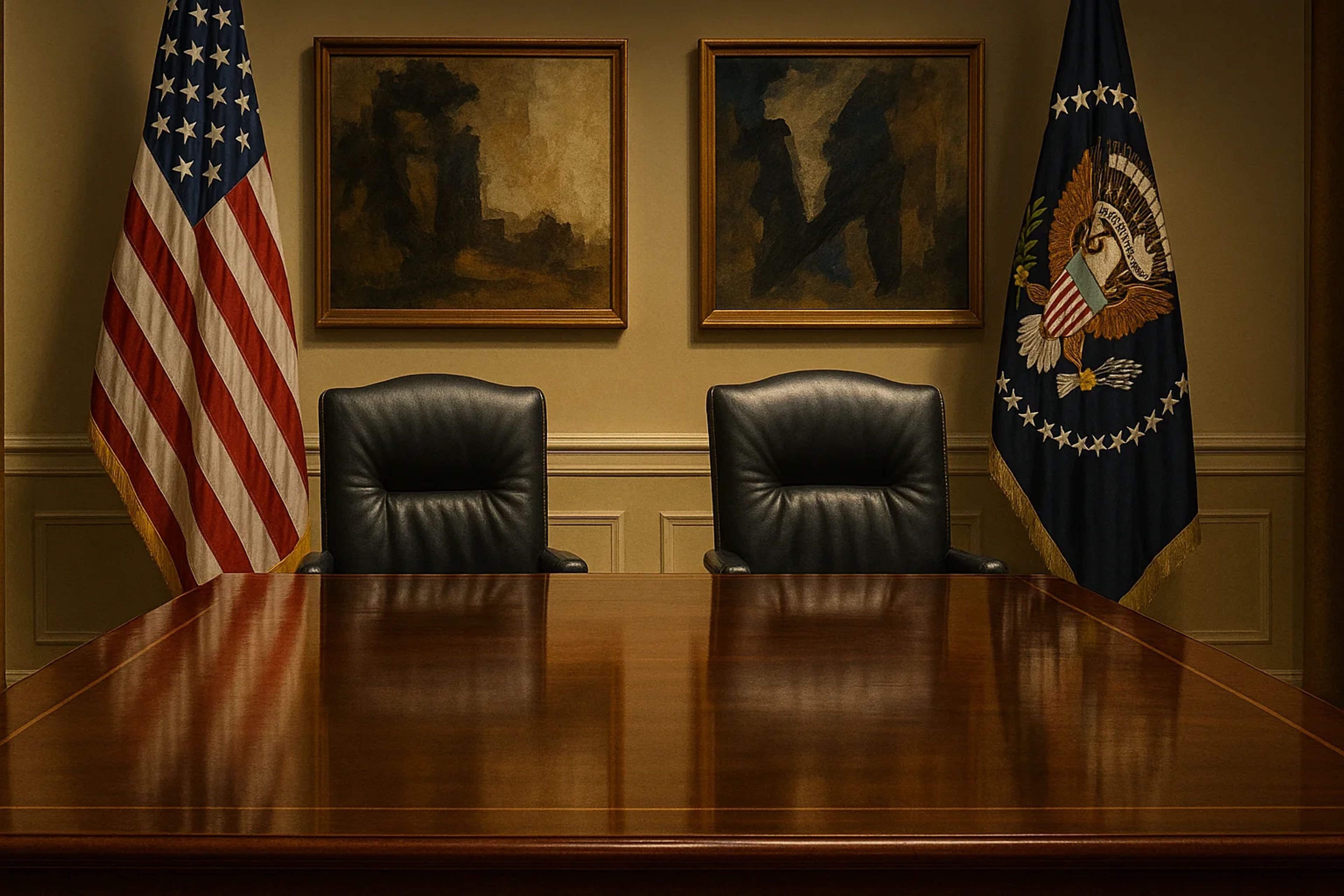
White House officials told Senate leaders John Thune and Chuck Schumer that they requested potential Democratic nominees for open SEC and CFTC seats but had “not received names.” The dispute lands as the Senate negotiates the CLARITY market structure bill, with both regulators operating with unusually thin leadership benches.
Key Takeaways
- A White House letter to Senate leaders said requested Democratic nominee names for SEC and CFTC vacancies have “not received names.”
- The SEC was described as having three Republican commissioners and two vacant Democratic seats, with Hester Peirce expected to leave by November.
- The CFTC was down to a single commissioner, chair Michael Selig, who has argued for the agency’s “exclusive jurisdiction” over prediction market companies.
- The CLARITY Act cleared the House in July 2025 but still needs Democratic votes to reach the Senate’s 60-vote threshold.
White House Letter Claims No Democratic Nominee Names for SEC and CFTC Seats
White House officials told Senate Majority Leader John Thune and Senate Minority Leader Chuck Schumer that they had asked Senate Democrats for potential nominees to fill vacancies at the Securities and Exchange Commission and the Commodity Futures Trading Commission but had “not received names.” The letter was framed as a response to a June 10 request from 12 Senate Democrats that raised staffing concerns across federal agencies, including the SEC and CFTC.
The immediate market relevance is not the political theater. It is the timing. The nomination pipeline is being contested while lawmakers are still trying to settle the Digital Asset Market Clarity (CLARITY) Act, a bill designed to define which regulator oversees which parts of the digital asset market.
President Donald Trump had not announced any nominations sent to the Senate since June 24, keeping the vacancy overhang intact in the period described.
Vacancy Snapshot: SEC Down Two Democratic Seats as Peirce Exit Looms. CFTC Down to One Commissioner
As of Thursday relative to publication, the SEC was described as operating with three Republican commissioners and two vacant Democratic seats. One of those Republicans, Hester Peirce, was expected to leave by November, a timeline that adds a second layer of uncertainty around near-term continuity at the commission.
At the CFTC, the leadership bench is even thinner. The agency’s chair and sole commissioner was Republican Michael Selig, seven months into the job.
For traders, thin commissions matter because they change the practical balance between legislation and regulator-driven policy. When seats stay open, fewer decision-makers can steer enforcement priorities, interpret jurisdictional boundaries, and set the tone for how aggressively agencies try to fill gaps while Congress negotiates.
Competing Narratives: White House ‘Not Received Names’ vs Democrats’ Claim of Broken Nomination Process
Responsibility for the stalled nominations is disputed, and that makes timelines harder to handicap.
The White House position is straightforward: names were requested and “not received.” Senate Democrats, in a June letter, argued the opposite dynamic is at work. “In a sharp break from precedent across Republican and Democratic administrations, you have refused in almost every instance to engage with Senate Democratic leadership in the normal process of identifying Democratic nominees to fill vacancies on independent agencies,” the senators wrote. They warned, “Instead, the White House appears set on leaving the vast majority of these critical positions open indefinitely.”
The packet does not establish whether Senate Democratic leadership did or did not provide names, when, or through what channel. That uncertainty is the point for markets. It keeps the staffing question in limbo at the same time the Senate is trying to decide whether crypto rules get set by statute or by regulators acting into a vacuum.
July CLARITY Push and the Nomination Pipeline Are the Next Catalysts
The Senate was on state work periods until Monday relative to publication, while discussions continued around the CLARITY Act and Republicans prepared for a July vote. The bill passed the House in July 2025 but has faced significant delays tied to government shutdowns and debates over ethics provisions amid Trump’s ties to the crypto industry. Two Senate committees advanced their versions of the bill in 2026, but it still needs some Democratic support to clear the Senate’s 60-vote threshold.
On the regulatory side, the next catalyst is simple: whether any SEC or CFTC nominations are formally sent to the Senate, given the stated lack of announcements since June 24. Traders also have a clean calendar risk at the SEC, with Peirce’s expected November departure potentially reshaping the commission’s near-term composition.
Selig’s public posture is another tell. He has defended what he called the CFTC’s “exclusive jurisdiction” over prediction market companies, a stance that intersects with crypto-adjacent derivatives narratives and could signal how assertively the agency tries to draw lines absent congressional clarity.
When Seats Stay Empty, Rulemaking Power Shifts by Default
I don’t treat this as a headline about personalities. It’s a market-structure story about who gets to write the rulebook when Congress is slow and commissions are understaffed.
The threshold that matters is whether the Senate can put CLARITY on a real July timeline and assemble the Democratic votes needed to clear 60. If that slips, Selig’s warning that “regulators like me” could end up “writing all the rules” starts to look less like messaging and more like a roadmap for agency-led policy, especially with the CFTC already down to one commissioner and the SEC facing a potential turnover event by November. What would make this matter in practical terms is a shift from legislative uncertainty to regulator-driven rule setting that forces venues and traders to price compliance risk sooner than expected.


