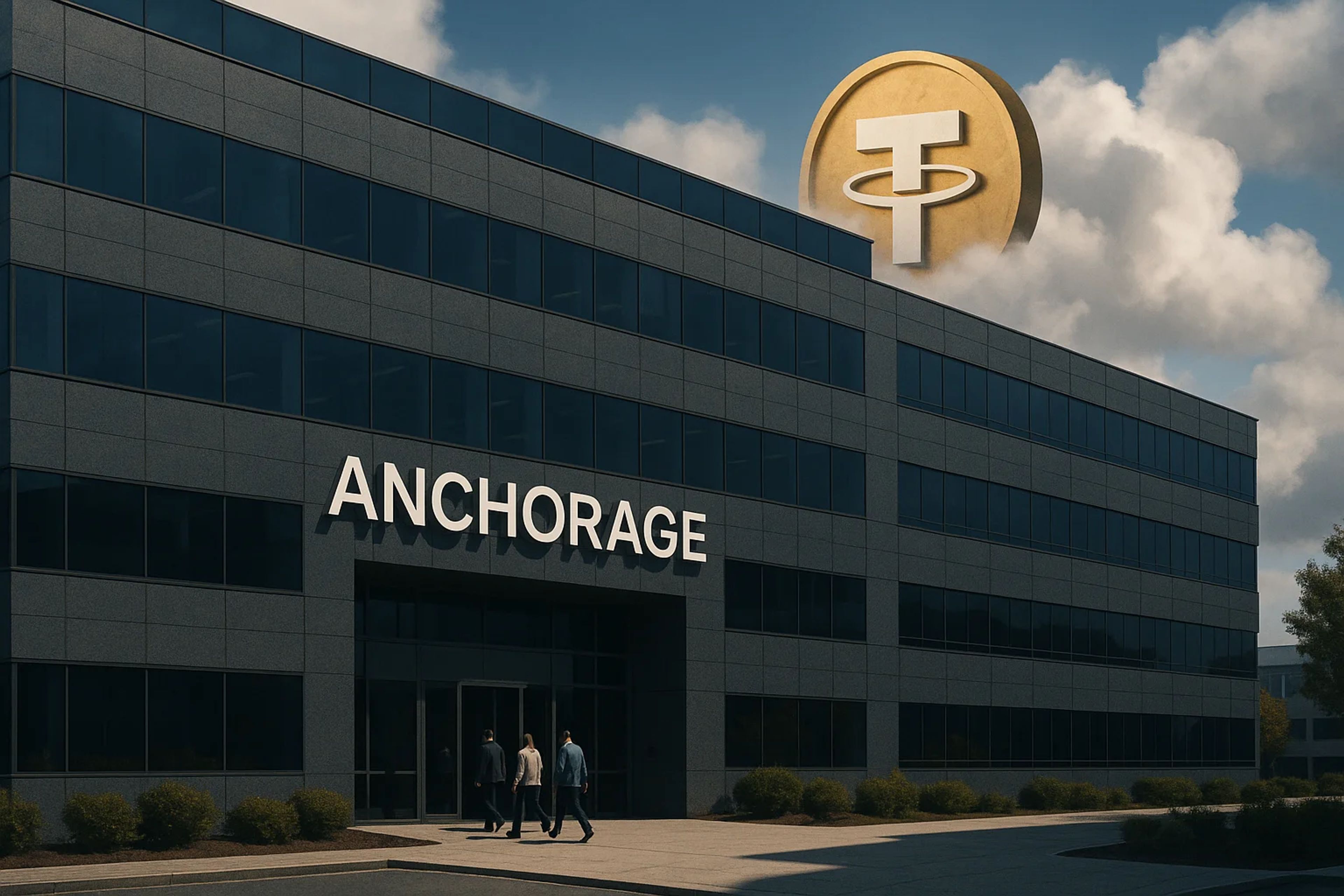
Anchorage Digital reportedly cuts 17% of staff despite stablecoin expansion
The reduction implies about 68 roles if headcount stayed near the ~400 level cited in February testimony.
Anchorage Digital reportedly reduced its workforce by 17% after CEO Nathan McCauley told employees about the cuts this week. If the firm’s headcount was still near the roughly 400 employees McCauley cited in February, the move implies about 68 roles.
Anchorage Digital Reportedly Cuts 17% of Staff as Downturn Drags On
Anchorage Digital, a federally chartered US digital asset bank valued at $4.2 billion earlier this year, reportedly cut 17% of its workforce after CEO Nathan McCauley informed employees of the reduction this week.
McCauley testified in February that Anchorage had about 400 employees globally. If that figure was still roughly accurate at the time of the cuts, a 17% reduction implies about 68 jobs. That is not a token trim. It is large enough to change how teams ship, support clients, and run compliance throughput.
The company did not immediately confirm the cuts. A public relations contact representing Anchorage did not provide an immediate response to a request for confirmation, leaving the exact timing, scope, and departments affected unverified from primary documentation in the packet.
The reported layoffs land against a weak market backdrop. Bitcoin briefly recovered above $87,000 on Friday but remained below its $126,000 peak reached last October.
Why a Regulated Custodian Cutting Headcount Matters for Stablecoin and Custody Rails
Anchorage is not a marginal venue. It operates under a national trust charter granted by the US Office of the Comptroller of the Currency in 2021, making it the first crypto company to receive that charter. That status matters because it places the business in the institutional “plumbing” layer where clients pay for custody, controls, and operational certainty, not for narratives.
The timing is the friction point. The reported headcount reduction comes alongside institutional expansion: Anchorage has moved deeper into stablecoin issuance, including Tether’s new US stablecoin, USAT. Earlier this year, Anchorage also received a $100 million strategic investment from Tether. Cost cuts in the same window as product surface expansion usually mean one of two things: either management is protecting runway while building, or demand is not scaling fast enough to carry the fixed-cost base.
For traders, the immediate value of this headline is as a read-through on infrastructure margins in a weak tape. If a regulated custodian is still tightening, it suggests the institutional bid is not broad-based enough to lift all service providers at once. The counterparty that benefits is the buyer of risk capacity. Leaner cost structures can translate into more aggressive pricing on custody and issuance services, which pressures peers and can compress economics across the rails.
The next confirmations matter more than the percentage. On-record clarity from Anchorage on updated headcount, timing, and which teams were affected would determine whether this was a targeted efficiency pass or a demand-driven retrenchment. Follow-through detail on whether the cuts touched stablecoin issuance work tied to USAT, or core custody and compliance functions, would also change how the market should interpret the move.
My Read: Cost Discipline at the ‘Plumbing’ Layer Can Precede a Slower Institutional Bid
The threshold that matters is whether the 17% figure gets confirmed with a clean scope and an updated headcount. If Anchorage was still near the ~400 level cited in February, roughly ~68 roles is an operational signal, not a minor reorg.
Until the company puts details on the record, I treat this as a sentiment and positioning data point about cost pressure in regulated infrastructure, not a definitive read on revenue. If more regulated custodians and stablecoin infrastructure providers follow with similar cuts while BTC stays pinned below prior highs, the setup starts to look structural rather than narrative-driven.


