
AI
Ledger launches open-source Agent Stack to gate AI wallet actions behind hardware approval
The toolkit lets agents read and prepare transactions, but execution still requires physical confirmation on a Ledger device.
 Start here
Wallet “types” mainly differ by where the private key lives and what you expose when you sign transactions and dapp approvals.

ERC-4337 routes wallet actions through UserOperations, bundlers, and EntryPoint, creating a parallel inclusion and fee market to normal Ethereum transactions.
They replace a single seed phrase with either off-chain threshold signing via MPC or on-chain recovery rules in a smart contract wallet.

A multisig wallet executes transactions only after a preset threshold of signers approves, turning key custody into an explicit approval pipeline.
MPC wallets split signing authority into key shares so m-of-n approvers can produce one normal on-chain signature without reconstructing a full private key.
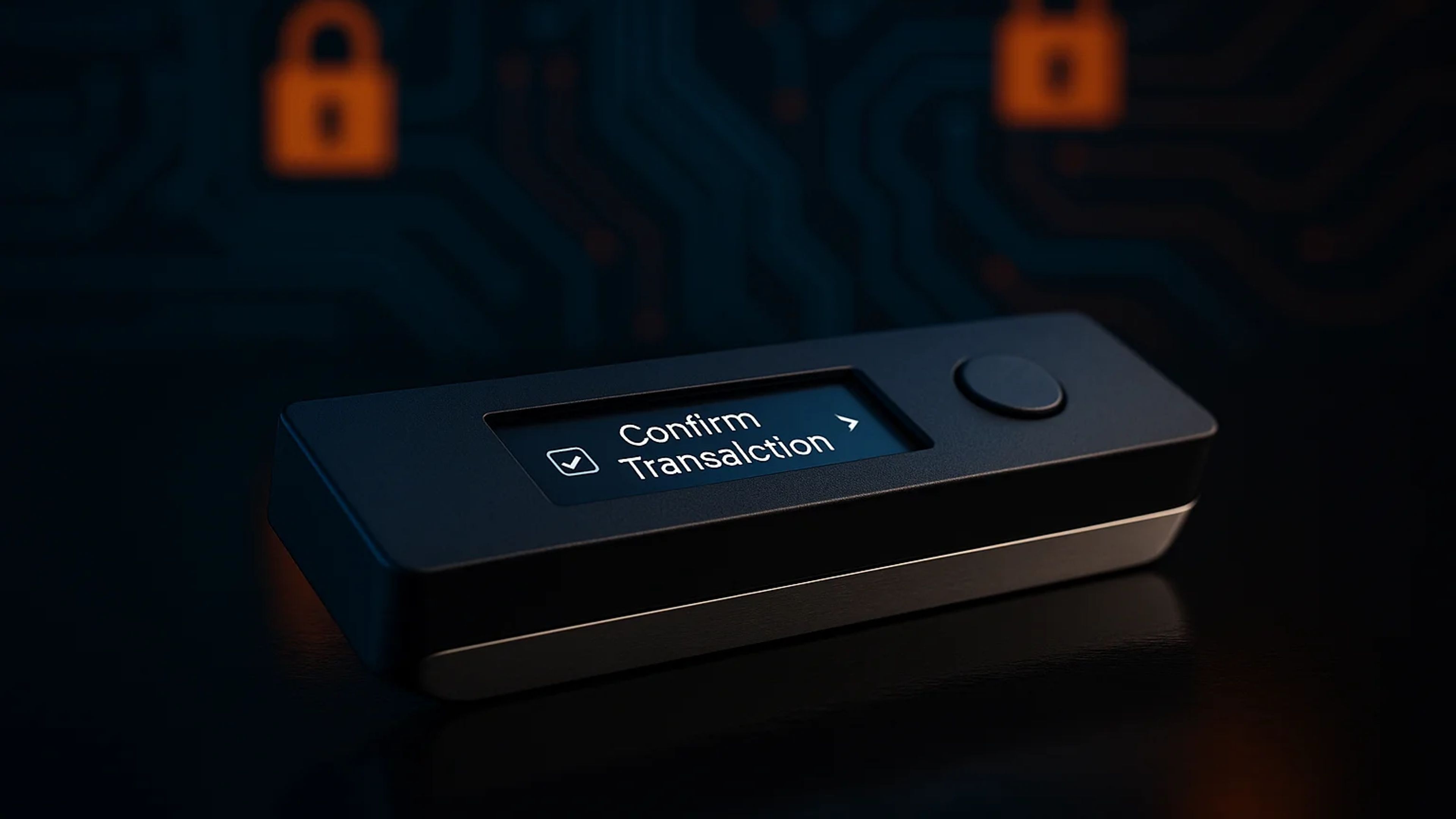
A hardware wallet keeps private keys off your laptop or phone by signing transactions inside the device and showing the final details on a trusted screen.
The toolkit lets agents read and prepare transactions, but execution still requires physical confirmation on a Ledger device.
 btc$78,289+1.94%
 eth$2,517.49+1.67%
 usdt$1+0.02%
 bnb$720.89+0.60%
 xrp$1.42+6.01%
 usdc$1+0.00%
 sol$102.54+3.09%
 trx$0.34-0.06%
 doge$0.08+1.44%
 link$11.52+2.80%
 ada$0.21+2.42%
 xlm$0.19+7.80%
 bch$223.68+1.11%
 ltc$53.16-1.14%
 uni$6.54+6.78%
 hbar$0.08+3.50%
 avax$7.57+3.77%
 sui$0.72+2.86%
 dot$1.01+0.73%
 etc$7.58+1.99%
 pol$0.1+0.62%
 algo$0.1+1.91%
 atom$1.58-0.27%
 fil$0.94-1.74%
 vet$0.01-0.16%