DGrid AI’s DGAI nearly doubles on launch as inference network goes live
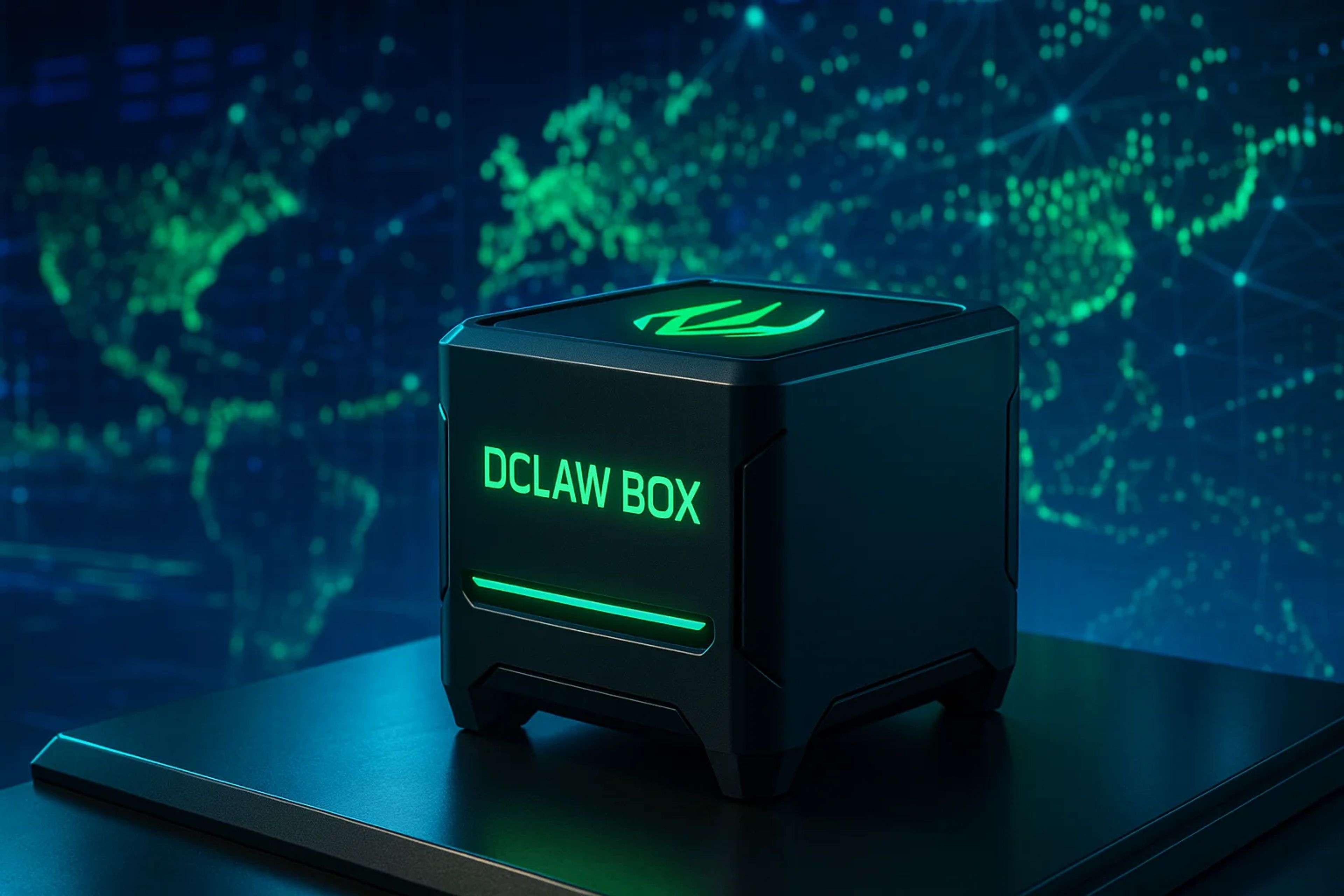
CoinGecko data showed $165M+ day-one volume as DGrid also reported 140+ DClaw Box sales at 1,580 USDT each.
DGrid AI’s newly launched DGAI token traded around $0.73 on Aug. 25 and was up nearly 93% over 24 hours, with a market cap of about $110 million and trading volume topping $165 million, per CoinGecko data. The first-day move coincided with DGrid tying the token to live utility inside its decentralized AI inference network and reporting rapid early sales of its DClaw Box hardware.
DGAI Launch Prints $165M+ Day-One Volume as DGrid Flips On Inference Network Utility
DGrid AI rolled out its native token, DGAI, alongside an expansion of its decentralized AI inference network, and the market treated it like a real launch rather than a quiet listing. DGAI traded around $0.73 and was up nearly 93% over the prior 24 hours as of Aug. 25, with market capitalization around $110 million and trading volume topping $165 million, according to CoinGecko data.
The project’s pitch is that DGAI is not just a speculative wrapper around an AI narrative. DGrid positions the token as the internal asset used for payments, staking, and node rewards inside a decentralized inference network that connects users and developers to distributed nodes processing inference requests.
That utility framing matters because it is the difference between “attention liquidity” and “usage liquidity,” even if the two blur on day one. Inference is the act of running a trained model on new inputs to produce outputs, and DGrid’s model is to route those requests across independently operated nodes rather than relying on a single centralized provider.
DGrid’s litepaper describes routing AI requests across models hosted by distributed nodes and using a “Proof of Quality” mechanism to evaluate results. Node operators stake DGAI, earn token rewards for providing computing resources, and face penalties for poor performance or misconduct, though the excerpted material does not specify the scoring methodology or the slashing and enforcement parameters.
Traders’ Checklist: Proof-of-Quality Staking Model and the DClaw Box Demand Signal
The second catalyst DGrid is leaning on is hardware distribution, which can function as a user-acquisition channel that is not purely crypto-native. DGrid said it sold more than 140 DClaw Boxes within a few hours at 1,580 USDT each, representing more than 221,000 USDT in sales.
The DClaw Box is described as a physical device designed to run DGrid’s DClaw personal AI agent, connecting users to AI models through a decentralized network of independently operated nodes rather than a single centralized provider. If that demand signal holds beyond the initial burst, it is a cleaner story than “nodes came from mercenary yield,” because it implies a path where end users show up through a consumer device and then interact with the network’s tokenized payment and staking rails.
The catch is that traders still do not have basic launch-market plumbing in the excerpted details. The exact token launch time, exchange venues, circulating supply, and token distribution or vesting schedule are not provided, which makes it hard to model float, unlock risk, and how much of the day-one volume is concentrated on a single venue versus broadly distributed.
The near-term tells are straightforward and mostly mechanical. First, whether volume remains elevated beyond the first 24 hours or fades sharply once initial launch liquidity clears, given CoinGecko’s day-one print above $165 million. Second, whether DGrid discloses circulating supply, token distribution and vesting, and where the token is trading, because those details can change expectations around float and potential unlock-driven supply.
Third, whether “Proof of Quality” is implemented with concrete, inspectable parameters, including how results are scored and how penalties are applied, and whether staking and penalties are live on-chain rather than only described at a high level. Fourth, whether DClaw Box demand persists beyond the initial 140+ units at 1,580 USDT each, and whether sales can be independently verified versus remaining a project-reported figure.
My Read: Big First-Day Liquidity, but Key Token Plumbing Details Are Still Missing
The launch is being marketed as more than a meme-style listing pop, and the utility story is coherent on paper: DGAI is positioned as the payment, staking, and node-reward asset inside a decentralized inference network that routes requests across distributed nodes, with “Proof of Quality” meant to decide who gets paid and who gets penalized. The threshold that matters is whether those incentives are enforceable in a way traders can actually audit, because without that, “utility” is just a narrative wrapper around emissions.
The day-one tape was heavy for something this early, with CoinGecko showing roughly a $110 million market cap, more than $165 million in volume, and a near-93% 24-hour move, which is exactly the mix that can amplify volatility for both momentum longs and late chasers. If DGrid fills in the missing basics, especially circulating supply and distribution, and pairs it with verifiable on-chain staking and penalty mechanics, the move starts to look like a market pricing a live network rather than a one-day liquidity event.


