
Crypto
OIRA docket shows CFTC move to classify prediction-market event contracts as swaps
The filings include a parallel interim final rule to exclude casino-style gambling products, and both items are under review.
 Start here
Kalshi is a federally regulated U.S. derivatives exchange where traders buy and sell yes-or-no event contracts that settle at $1 or $0.
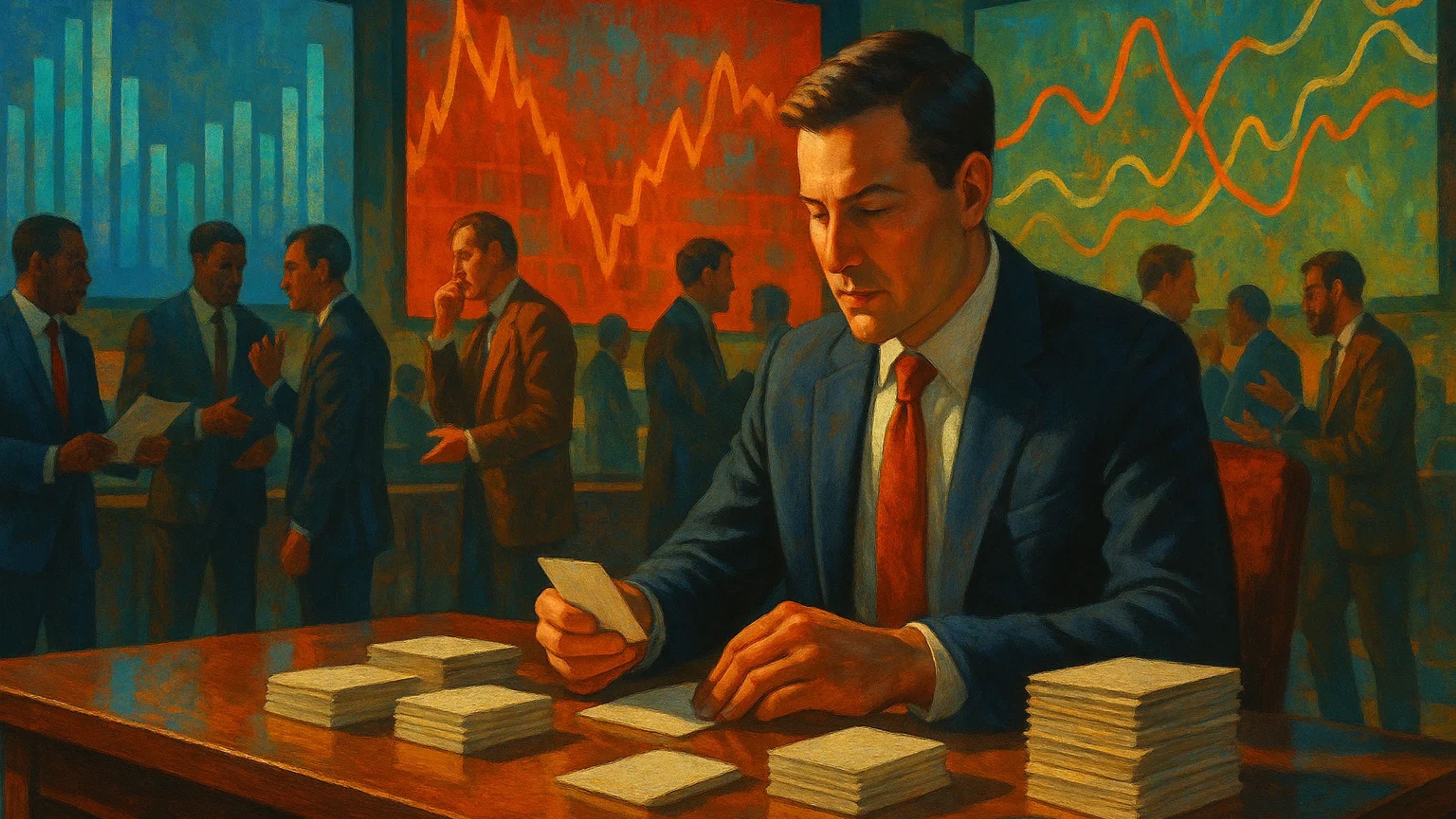
Kalshi’s core cost is a per-contract fee that peaks at 1.75¢ at 50¢, plus separate deposit and withdrawal charges that depend on payment method.
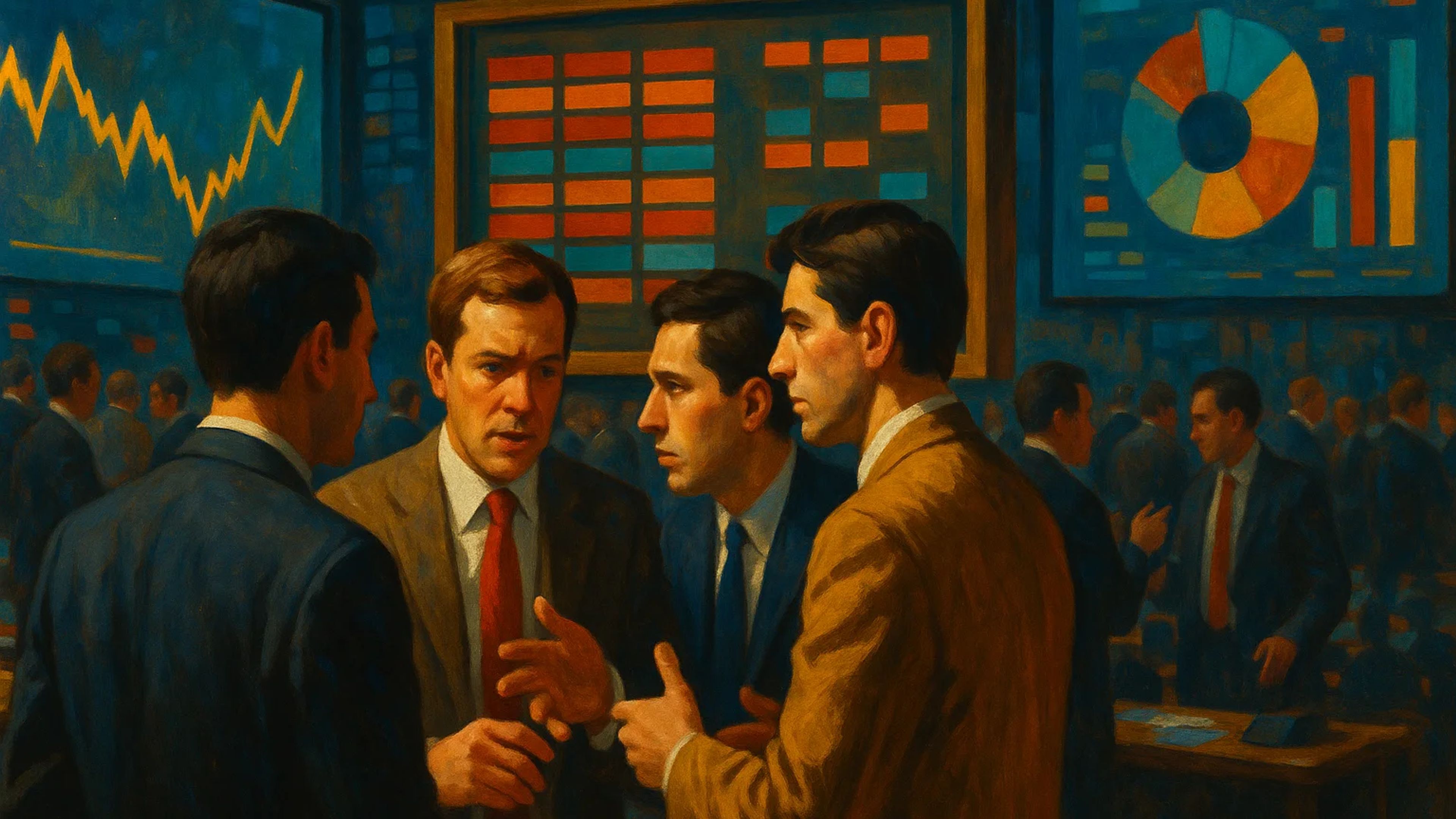
Kalshi lists CFTC-regulated election event contracts that trade from $0 to $1 and settle at $1 or $0, so the price can be read as a probability only when the market is liquid and the rules are clear.
The filings include a parallel interim final rule to exclude casino-style gambling products, and both items are under review.

The unanimous panel said Kalshi failed to show the products are CFTC-jurisdiction “swaps,” sharpening a split with the 3rd Circuit.

The Crypto.com spin-out joins a Sept. 18 wave of similar filings from Coinbase, Kalshi, and Payward’s Bitnomial.

The complaint cites Polymarket’s December 2025 mobile app launch and New York-directed marketing, and contemplates blocking in-state access.

Identically sized tickets and a $539M-to-$3.1M volume-to-open-interest snapshot are driving market-integrity questions.

The agency’s market oversight division told regulated exchanges to apply a four-factor test as Kalshi’s Ether market faces scrutiny over repetitive sizing.

Stripe funding with Apple Pay for stablecoin purchases starts with US users as identity and finance split into separate apps.

Across 26 keyword contracts, implied odds favor Apple-branded AI over OpenAI or Google name-drops.

The state is asking whether Dodd-Frank preempts state gambling rules for contracts listed on CFTC-regulated venues.

The Trump Jr.-linked fund’s reported $300M check lands as state actions and banking friction tighten around prediction markets.

The order ties the payment to “mention markets,” a contract type now drawing sharper insider-info scrutiny.

The move escalates a state-by-state legal split as Kalshi calls court outcomes “close to 50-50.”

The White House remarks offered no approval, structure, or timeline for an onshore perps product.

Trezor and SafePal disclosed breaches affecting 50,000+ customers while the SEC pulled a planned crypto rules meeting.

The suit escalates a state-level dispute over sports-linked event contracts, with key filing details still unavailable in the packet.
The sit-down is planned ahead of the CFTC committee’s inaugural Thursday session on crypto market structure and clarity.

The bank was still said to be open to IPO underwriting even after exiting day-to-day banking exposure.

The city also names Robinhood, Webull, and Coinbase as Kalshi partners in deceptive-marketing claims in Maryland.

The order leaves the state lawsuit in place and lets the CFTC renew its request before Judge Marrero on Aug. 7.

A separate SDNY Polymarket defendant is asking to dismiss CEA counts by arguing event contracts are not clearly “swaps.”
 btc$83,699+0.50%
 eth$2,694.08+0.89%
 usdt$1-0.02%
 bnb$768.96+1.11%
 xrp$1.5+0.47%
 usdc$1-0.01%
 sol$118.55-0.44%
 trx$0.34+0.69%
 doge$0.1+2.48%
 link$14.5+0.83%
 ada$0.25+2.96%
 xlm$0.23+3.15%
 bch$308.14+0.92%
 uni$8.88+1.11%
 ltc$67.51+0.71%
 avax$11.12-1.43%
 sui$1.18+2.39%
 hbar$0.11+0.87%
 dot$1.25+4.06%
 etc$9.01-0.54%
 pol$0.11-2.81%
 algo$0.13+4.43%
 atom$1.78+4.34%
 fil$1.06+0.18%
 vet$0.01+2.43%